Tag: Debt Management

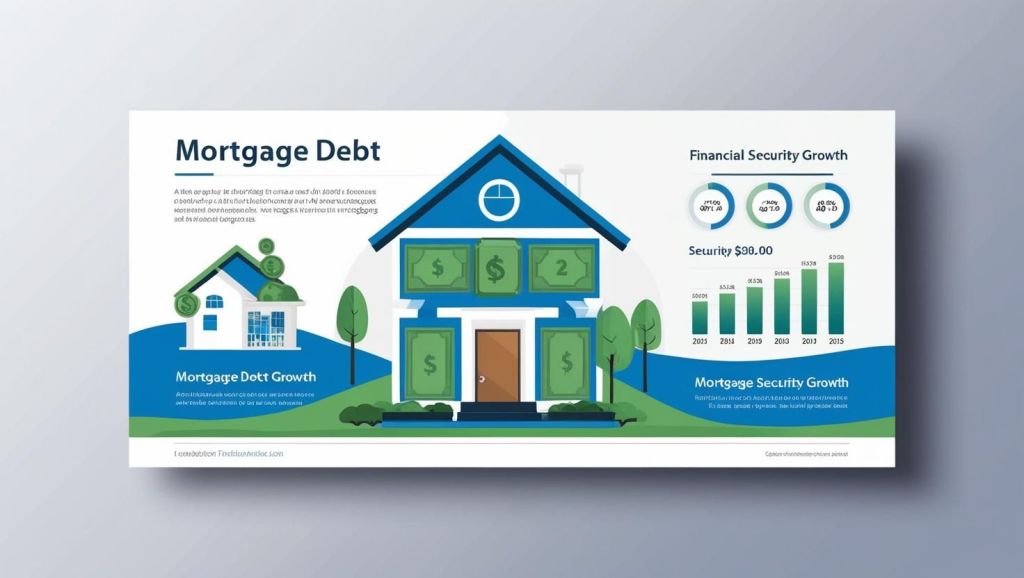
  • The Ultimate Guide to Mortgage Debt: Everything You Need to Know Before Buying a Home


    Buying a home is one of the biggest financial commitments most people will ever make. It’s not just about picking out your dream home; it’s about understanding how much you can realistically afford, choosing the right mortgage, planning for your down payment, evaluating your interest rate and APR, and preparing for those often-overlooked closing costs and fees. In this in-depth guide, we cover everything you need to know about mortgage debt in a clear, human-friendly, and SEO-optimized way. Let’s dive in.


    How Much Mortgage Can I Afford?

    Determining how much mortgage you can afford is a critical first step in the homebuying process. This involves analyzing your income, debts, credit score, and lifestyle. Lenders use a set of guidelines to evaluate your financial health and decide how much they’re willing to loan you.

    The 28/36 Rule

    Most financial advisors and lenders recommend the 28/36 rule:

    28% of your gross monthly income should go toward housing expenses (mortgage, property taxes, homeowners insurance).

    36% of your gross income should cover all your debt obligations (housing, credit cards, student loans, etc.).


    Example Calculation

    Suppose you earn $6,000 a month:

    28% = $1,680 (maximum housing costs)

    36% = $2,160 (maximum total debt payments)


    If your monthly debt payments (car loan, credit cards, etc.) total $500, your maximum mortgage payment should be around $1,680 to stay within this rule.

    Online Mortgage Calculators

    Tools like mortgage affordability calculators can help estimate how much home you can afford based on your income, down payment, debts, and credit score. Make sure to factor in other monthly obligations and lifestyle expenses.


    What Type of Mortgage Loan is Best for My Situation?

    There are several types of mortgage loans, each with its pros and cons. Choosing the right one depends on your financial situation, credit history, how long you plan to stay in the home, and your tolerance for risk.

    1. Conventional Loans

    Not backed by the government.

    Typically require a higher credit score (620+).

    Can be used for primary, secondary, or investment properties.

    Minimum down payment: 3% (usually higher for better rates).


    Best for: Buyers with strong credit and stable income.

    2. FHA Loans

    Backed by the Federal Housing Administration.

    Lower credit score requirements (as low as 580).

    Down payment as low as 3.5%.


    Best for: First-time buyers or those with less-than-perfect credit.

    3. VA Loans

    Available to veterans, active-duty service members, and some spouses.

    No down payment or private mortgage insurance (PMI) required.

    Competitive interest rates.


    Best for: Eligible military borrowers.

    4. USDA Loans

    Designed for rural and suburban homebuyers.

    No down payment required.

    Income limits apply.


    Best for: Low-to-moderate income buyers in eligible rural areas.

    5. Adjustable-Rate Mortgages (ARMs)

    Interest rate is fixed for an initial period (e.g., 5 years), then adjusts periodically.

    Initial rates are often lower than fixed-rate mortgages.


    Best for: Buyers who plan to move or refinance before the adjustable period kicks in.

    6. Fixed-Rate Mortgages

    Interest rate stays the same for the life of the loan (usually 15 or 30 years).


    Best for: Buyers who want predictable payments and plan to stay long-term.

    How Much Do I Need for a Down Payment?

    The size of your down payment affects your loan terms, monthly payments, and whether you need mortgage insurance.

    Typical Down Payment Amounts

    Conventional Loans: 3% to 20%

    FHA Loans: Minimum 3.5%

    VA/USDA Loans: 0%


    Benefits of a Larger Down Payment

    Lower monthly payments

    Lower interest rate

    Avoid PMI if down payment is 20% or more


    Saving for a Down Payment

    Saving up can be challenging. Consider setting up a dedicated savings account, cutting non-essential expenses, or exploring assistance programs.

    Down Payment Assistance Programs

    Many states offer grants or low-interest loans to help first-time buyers with down payments. These can be income-based or occupation-based (e.g., teachers, nurses).

    What Will My Interest Rate and Annual Percentage Rate (APR) Be?

    Interest rate and APR are two of the most important numbers in your mortgage. They affect how much you’ll pay over the life of the loan.

    Interest Rate

    The percentage you pay to borrow money.

    Influenced by market conditions, your credit score, loan type, and term.


    Annual Percentage Rate (APR)

    Includes the interest rate plus lender fees and other costs.

    Provides a more comprehensive view of the cost of the loan.


    Factors Affecting Your Rate

    Credit Score: Higher scores get lower rates.

    Loan Term: Shorter terms (e.g., 15 years) usually have lower rates.

    Down Payment: Larger down payments can reduce your rate.

    Debt-to-Income Ratio: Lower ratios are more favorable.


    Rate Shopping Tips

    Compare rates from multiple lenders.

    Ask for a Loan Estimate to see APR and closing costs.

    Don’t be afraid to negotiate.

    What Are the Estimated Closing Costs and Other Fees Involved?

    Closing costs are the fees and expenses you pay to finalize your mortgage. They typically range from 2% to 5% of the loan amount.

    Common Closing Costs

    Loan Origination Fee: Charged by lender to process your loan.

    Appraisal Fee: To assess home value.

    Home Inspection Fee: To check the property’s condition.

    Title Search/Title Insurance: Ensures the property has no legal claims.

    Recording Fees: Paid to local government to register ownership.

    Attorney Fees (if applicable): For legal assistance with paperwork.

    Prepaid Costs: Property taxes, homeowners insurance, interest.


    Other Potential Fees

    Private Mortgage Insurance (PMI): Required if your down payment is less than 20% (except for VA loans).

    HOA Fees: If your new home is in a community with a homeowners association.


    Reducing Closing Costs

    Shop around for services (title, inspections).

    Ask seller to contribute to closing costs.

    Use lender credits in exchange for a higher interest rate.

    Final Thoughts: Make Smart, Informed Mortgage Decisions

    Taking on mortgage debt is a major financial step, but it doesn’t have to be overwhelming. With the right information and tools, you can confidently navigate the process and make decisions that align with your goals.

    Start by calculating how much home you can afford. Choose a mortgage loan that fits your needs. Save diligently for your down payment, understand your interest rate and APR, and prepare for all closing costs.

    Remember, you don’t have to do it alone. Work with a reputable mortgage broker or financial advisor to explore your options and find the best solution for your situation.


    Ready to Start Your Homebuying Journey?

    Use this guide as a reference throughout the process and make each step count. Owning a home is more than just a dream, with the right preparation, it’s your reality waiting to happen.

    Stay informed, stay empowered, and happy home buying!
  • Reclaiming Our Financial Harmony: A Married Dad’s Guide to Debt Consolidation

    “Consolidate your debt, consolidate your peace of mind.”

    At 40, life is a whirlwind. Between juggling a demanding career, supporting my amazing wife’s professional aspirations, and raising our energetic kid, the days fly by. Yet, amidst the joy and chaos, a persistent shadow looms – debt.

    Like many families, we’ve accumulated a mix of credit card balances, personal loans, and the lingering remnants of past financial decisions. While my wife and I are a strong team, the weight of this debt has begun to strain our financial harmony. It’s time for a change. That’s why I’m diving deep into debt consolidation, sharing my journey and practical tips for fellow married parents navigating similar waters.

    The Reality Check: Facing Our Financial Landscape
    Let’s be honest, the “perfect family” image often portrayed in commercials is far from reality. We’ve had our share of unexpected expenses, from medical bills to home repairs, and the convenience of credit cards became a slippery slope. With a working wife and a child to provide for, the pressure to maintain a certain lifestyle sometimes led to overspending. We’re not alone. Many families find themselves in this situation, where life’s demands and the allure of instant gratification create a debt burden.

    The stress of managing multiple payments, varying interest rates, and the constant fear of missing deadlines was taking its toll. Our communication, usually a strong point, was becoming strained by financial anxieties. We needed a solution – a way to simplify our finances and regain control.
    Debt Consolidation: A Beacon of Hope

    After extensive research and discussions with my wife, we decided debt consolidation was the most logical step. The idea of streamlining our debt into a single, manageable payment with a lower interest rate was incredibly appealing. But where to begin?


    1. The Inventory: Mapping Our Financial Terrain
    The first step was to create a comprehensive list of all our debts. We meticulously recorded:
    * Credit card balances and interest rates
    * Personal loan amounts and terms
    * Any outstanding medical or other bills
    This exercise, while daunting, provided a clear picture of our financial landscape. We realized the sheer amount of interest we were paying was staggering. This inventory became our roadmap for the consolidation journey.


    2. The Options: Exploring Our Debt Consolidation Avenues
    We explored several debt consolidation options:
    * Personal Consolidation Loans: These loans, offered by banks and credit unions, provide a lump sum to pay off existing debts. We researched interest rates and loan terms, comparing different lenders.
    * Balance Transfer Credit Cards: These cards offer introductory 0% interest rates, allowing us to transfer existing balances. However, we were wary of the potential for high-interest rates after the introductory period.
    * Home Equity Loans: Leveraging our home equity was an option, but we were cautious about placing our home at risk.
    * Debt Management Plans (DMPs): Offered by credit counseling agencies, DMPs involve negotiating with creditors for lower interest rates and creating a structured repayment plan.
    As a married couple with a child, stability and security were paramount. We leaned towards a personal consolidation loan from a reputable credit union, prioritizing a fixed interest rate and predictable monthly payments.


    3. The Budget: Creating a Realistic Repayment Plan
    Consolidating our debt was only half the battle. We needed a realistic budget to ensure we could consistently make our monthly payments. We meticulously tracked our income and expenses, identifying areas where we could cut back.
    * Meal Planning: Reducing restaurant visits and planning meals at home significantly reduced our food expenses.
    * Subscription Review: We canceled unused subscriptions and negotiated lower rates for essential services.
    * Entertainment Alternatives: We explored free or low-cost entertainment options, such as family movie nights at home and park visits.
    * Automated Savings: We set up automatic transfers to a dedicated savings account to build an emergency fund and prevent future debt accumulation.
    My wife and I committed to regular budget reviews, ensuring we stayed on track and made necessary adjustments.


    4. The Communication: Strengthening Our Financial Partnership
    Debt consolidation isn’t just a financial strategy; it’s a collaborative effort. Open and honest communication with my wife was crucial. We scheduled regular “financial check-ins” to discuss our progress, address concerns, and celebrate milestones.
    * Shared Financial Goals: We aligned our financial goals, ensuring we were both on the same page.
    * Transparency: We shared all financial information, fostering trust and accountability.
    * Compromise: We were willing to compromise on spending habits to achieve our financial goals.
    These conversations strengthened our bond and reinforced our commitment to financial stability.


    5. The Discipline: Staying the Course
    Debt consolidation is a marathon, not a sprint. Maintaining discipline and avoiding new debt was essential. We implemented several strategies:
    * Credit Card Freeze: We limited our credit card usage to emergencies only.
    * Cash Envelope System: For discretionary spending, we used a cash envelope system to control spending.
    * Delayed Gratification: We practiced delayed gratification, waiting for non-essential purchases.
    * Regular Progress Tracking: We tracked our progress, celebrating milestones and staying motivated.
    We recognized that building new habits takes time and effort. We focused on celebrating small victories and maintaining a positive mindset.


    The Long-Term Vision: Building a Secure Future
    Debt consolidation is not just about eliminating debt; it’s about building a secure financial future for our family. We’re committed to:
    * Building an Emergency Fund: We’re prioritizing building a robust emergency fund to cushion the impact of unexpected expenses.
    * Investing for the Future: We’re exploring investment options to secure our retirement and our child’s education.
    * Teaching Financial Literacy: We’re committed to teaching our child the importance of financial responsibility.
    As a married man and father, my primary goal is to provide a stable and secure environment for my family. Debt consolidation is a crucial step in achieving that goal.
    The Takeaway: A Shared Journey to Financial Freedom
    Debt consolidation is a journey, not a quick fix. It requires commitment, discipline, and open communication. For married couples, it’s an opportunity to strengthen their financial partnership and build a solid foundation for their future.
    If you’re a married parent struggling with debt, remember you’re not alone. Take the first step, create a plan, and support each other. With determination and perseverance, you can reclaim your financial harmony and create a brighter future for your family.

  • How to Snowball Your Way Out of Credit Card Debt: A Step-by-Step Guide for Beginners


    Credit card debt can feel like a relentless avalanche, constantly growing and threatening to bury you under its weight. If you’re a beginner struggling to navigate this financial quagmire, you’re not alone. Many people find themselves trapped in a cycle of minimum payments and mounting interest. However, there’s a beacon of hope: the debt snowball method. This strategy, popularized by financial expert Dave Ramsey, provides a structured and psychologically empowering approach to tackling credit card debt, one step at a time. Let’s break down how to snowball your way out of credit card debt, specifically tailored for beginners.
    Understanding the Avalanche: The Reality of Credit Card Debt
    Before diving into the solution, it’s crucial to grasp the problem. Credit card debt isn’t just a number; it’s a financial burden that impacts your credit score, limits your financial freedom, and can lead to significant stress. The high-interest rates associated with credit cards mean that even small balances can quickly balloon, especially if you’re only making minimum payments.
    The minimum payment, often a tiny percentage of your balance, is designed to keep you indebted. It covers a small portion of the principal and a significant chunk of the interest, leaving you perpetually trapped. This is where the debt snowball method comes in, offering a systematic way to break free from this cycle.
    The Snowball Effect: How the Method Works
    The debt snowball method is deceptively simple but incredibly effective. It focuses on psychological momentum, providing quick wins that motivate you to keep going. Here’s how it works:
    * List Your Debts: Start by listing all your credit card debts from smallest to largest, regardless of interest rates. Include the balance and minimum payment for each card.
    * Minimum Payments on All but One: Make the minimum payments on all your credit cards except the smallest one.
    * Attack the Smallest Debt: Throw every extra dollar you can find at the smallest debt. This could include cutting back on non-essential expenses, selling unused items, or picking up a side hustle.
    * Celebrate the Victory: Once the smallest debt is paid off, celebrate your victory! This provides a significant psychological boost and reinforces your commitment to the process.
    * Roll the Payment: Take the minimum payment from the paid-off card and add it to the minimum payment of the next smallest debt. Continue to throw every extra dollar at this new target.
    * Repeat and Conquer: Repeat this process, rolling the payments from each paid-off card into the next, creating a snowball effect. As you pay off each debt, the amount you’re throwing at the next one increases, accelerating the process.
    Step-by-Step Guide for Beginners
    Let’s break down each step in detail, providing practical tips for beginners:
    Step 1: List Your Debts
    * Gather all your credit card statements and create a spreadsheet or use a budgeting app to list your debts.
    * Include the following information:
       * Credit card name
       * Current balance
       * Minimum payment
       * Interest rate (for later reference)
    * Arrange the list from smallest to largest balance.
    Step 2: Minimum Payments on All but One
    * Set up automatic payments for the minimum amounts on all cards except the smallest. This ensures you avoid late fees and penalties.
    * Double-check your budget to ensure you can comfortably make these payments.
    Step 3: Attack the Smallest Debt
    * This is where the real work begins. Scrutinize your budget and identify areas where you can cut back.
       * Dining out: Cook at home more often.
       * Entertainment: Cancel subscriptions you don’t use.
       * Shopping: Avoid impulse purchases.
       * Transportation: Consider carpooling or using public transportation.
    * Look for ways to increase your income.
       * Sell unused items on online marketplaces.
       * Offer freelance services.
       * Pick up a part-time job or side hustle.
    * Every extra dollar counts. Even small amounts can make a difference.
    Step 4: Celebrate the Victory
    * Paying off your first debt is a significant milestone. Acknowledge your achievement and reward yourself (within reason).
    * This celebration reinforces your commitment and provides the motivation to keep going.
    Step 5: Roll the Payment
    * This is where the snowball effect kicks in. Take the minimum payment from the paid-off card and add it to the minimum payment of the next smallest debt.
    * Continue to throw every extra dollar you can find at this new target.
    Step 6: Repeat and Conquer
    * Repeat steps 3-5 until all your credit card debts are paid off.
    * As you progress, the snowball grows larger, and you’ll see your debts disappear faster.
    Tips for Success
    * Create a Budget: A budget is essential for tracking your income and expenses, allowing you to identify areas where you can cut back.
    * Track Your Progress: Use a spreadsheet or budgeting app to track your debt payoff progress. This provides visual motivation and helps you stay on track.
    * Stay Disciplined: The debt snowball method requires discipline and consistency. Avoid taking on new debt and stick to your plan.
    * Find a Support System: Share your journey with a friend, family member, or online community. Having a support system can help you stay motivated and accountable.
    * Don’t Ignore the Interest Rates: While the debt snowball method prioritizes the smallest balance, it’s essential to be aware of the interest rates. Consider refinancing high-interest cards if possible.
    * Stay Positive: Paying off debt can be a long and challenging process. Stay positive and focus on your progress.
    Addressing Common Challenges
    * Unexpected Expenses: Build an emergency fund to cover unexpected expenses, preventing you from relying on credit cards.
    * Temptation to Spend: Avoid temptation by unsubscribing from marketing emails and staying away from shopping malls.
    * Relationship Challenges: Communicate with your partner about your debt payoff plan and work together as a team.
    * Feeling Overwhelmed: Break down your debt payoff journey into smaller, manageable goals.
    Beyond the Snowball: Building a Solid Financial Foundation
    Once you’ve conquered your credit card debt, it’s time to build a solid financial foundation.
    * Emergency Fund: Aim to save 3-6 months’ worth of living expenses in an easily accessible savings account.
    * Invest for the Future: Start investing for retirement and other long-term goals.
    * Live Below Your Means: Continue to live below your means and avoid taking on new debt.
    * Give Generously: Once you’re financially stable, consider giving back to your community.
    Conclusion
    The debt snowball method is a powerful tool for beginners looking to escape the clutches of credit card debt. It’s not just about the numbers; it’s about building momentum, celebrating victories, and taking control of your financial future. By following these steps and staying disciplined, you can snowball your way out of debt and pave the way for a brighter financial future. Remember, it’s a marathon, not a sprint. Be patient with yourself, celebrate the small wins, and keep your eyes on the ultimate goal: financial freedom.