
Category: Investing

  • Mutual Funds Demystified: A Beginner’s Guide to Smart Investing


    Table of Contents:

    1. Introduction
    2. What Is a Mutual Fund?
    3. Why Mutual Funds Are Ideal for Beginners
    4. Types of Mutual Funds
    5. How to Start Investing in Mutual Funds
    6. Understanding SIPs and Lump Sum Investments
    7. How Mutual Funds Make Money for You
    8. Costs and Fees in Mutual Funds
    9. Tax Implications of Mutual Fund Investments
    10. Risk and Return: What You Should Know
    11. How to Read a Mutual Fund Fact Sheet
    12. Choosing the Right Mutual Fund
    13. Top Platforms to Invest in Mutual Funds
    14. Common Mistakes First-Time Investors Make
    15. Real-Life Scenarios: Beginner Mutual Fund Journeys
    16. Expert Tips for First-Time Mutual Fund Investors
    17. Mutual Fund Myths Busted
    18. Mutual Fund Jargon Simplified
    19. Final Thoughts: Taking the First Step


    1. Introduction If you’re new to investing, the word “mutual fund” might sound like financial jargon. But don’t worry, it’s not as complex as it seems. In fact, mutual funds are one of the easiest ways to begin building wealth. Whether you’re saving for retirement, a home, or just trying to grow your money, this guide will walk you through everything you need to know.

    2. What Is a Mutual Fund? A mutual fund pools money from multiple investors and invests it in a portfolio of stocks, bonds, or other assets. Each investor owns shares that represent a portion of the holdings. These funds are managed by professional fund managers who make investment decisions on behalf of the investors.

    3. Why Mutual Funds Are Ideal for Beginners

    Diversification: Reduces risk by spreading investments.

    Professional Management: Experts make decisions, so you don’t have to.

    Accessibility: Start with as little as a few hundred bucks.

    Liquidity: Easy to buy and sell.


    4. Types of Mutual Funds

    Equity Funds: Invest in stocks. Higher risk, higher potential returns.

    Debt Funds: Invest in fixed-income securities. Lower risk.

    Hybrid Funds: Mix of stocks and bonds.

    Index Funds: Track a market index. Lower costs.

    Sectoral/Thematic Funds: Focus on specific industries or themes.

    ELSS (Equity Linked Savings Scheme): Tax-saving mutual funds.


    5. How to Start Investing in Mutual Funds

    Set Financial Goals: Know what you’re investing for.

    Understand Risk Tolerance: Be honest about how much risk you can handle.

    Pick a Fund Type: Choose one that aligns with your goals.

    Select a Platform: Online brokers, apps, or directly from AMC.

    Submit KYC: Required for legal compliance.

    Start Investing: Via SIP or lump sum.


    6. Understanding SIPs and Lump Sum Investments

    SIP (Systematic Investment Plan): Invest a fixed amount regularly. Great for disciplined investing.

    Lump Sum: Invest a large amount at once. Good when markets are low or you have idle cash.


    7. How Mutual Funds Make Money for You

    Capital Gains: When fund assets are sold at a profit.

    Dividends: Income from the fund’s investments.

    NAV Growth: Net Asset Value increases as the fund performs well.


    8. Costs and Fees in Mutual Funds

    Expense Ratio: Annual fee taken from your investment.

    Entry Load: Rare nowadays; used to be a fee for entering a fund.

    Exit Load: Fee if you sell within a certain period.


    9. Tax Implications of Mutual Fund Investments

    Equity Funds:

    Short-Term Capital Gains (<1 year): 15%

    Long-Term Capital Gains (>1 year): 10% (above 1 lakh)


    Debt Funds:

    Taxed as per your income slab


    ELSS: Up to Rs. 1.5 lakh deduction under 80C


    10. Risk and Return: What You Should Know Risk and return go hand in hand. Higher returns often come with higher risk. Evaluate your time horizon and risk appetite before choosing a fund.

    11. How to Read a Mutual Fund Fact Sheet

    NAV: Net Asset Value

    Fund Manager Info

    Past Performance

    Expense Ratio

    Top Holdings

    Fund Objective


    12. Choosing the Right Mutual Fund

    Look at long-term performance (3-5 years)

    Compare expense ratios

    Check consistency and fund manager credentials

    Read reviews and independent analysis


    13. Top Platforms to Invest in Mutual Funds

    Direct via AMC websites

    Investment apps (Groww, Zerodha Coin, ET Money)

    Banks and brokers


    14. Common Mistakes First-Time Investors Make

    Investing without goals

    Ignoring fund fees

    Reacting emotionally to market dips

    Not reviewing the portfolio


    15. Real-Life Scenarios: Beginner Mutual Fund Journeys

    Ananya, 26: Used SIPs to save for a down payment.

    Rahul, 35: Balanced hybrid fund for kid’s education.

    Neha, 29: Aggressive growth via equity funds.


    16. Expert Tips for First-Time Mutual Fund Investors

    Start early and invest regularly

    Don’t put all eggs in one basket

    Avoid timing the market

    Rebalance portfolio annually


    17. Mutual Fund Myths Busted

    “You need a lot of money to invest” : False

    “Mutual funds are only for experts” : False

    “SIPs guarantee returns” : False


    18. Mutual Fund Jargon Simplified

    AMC: Asset Management Company

    NAV: Net Asset Value

    SIP: Systematic Investment Plan

    AUM: Assets Under Management

    Exit Load: Fee when you redeem early


    19. Final Thoughts: Taking the First Step Mutual funds are a beginner-friendly way to enter the investing world. Start small, stay consistent, and let the power of compounding work in your favor. Don’t wait for the perfect moment, start now and learn as you go.
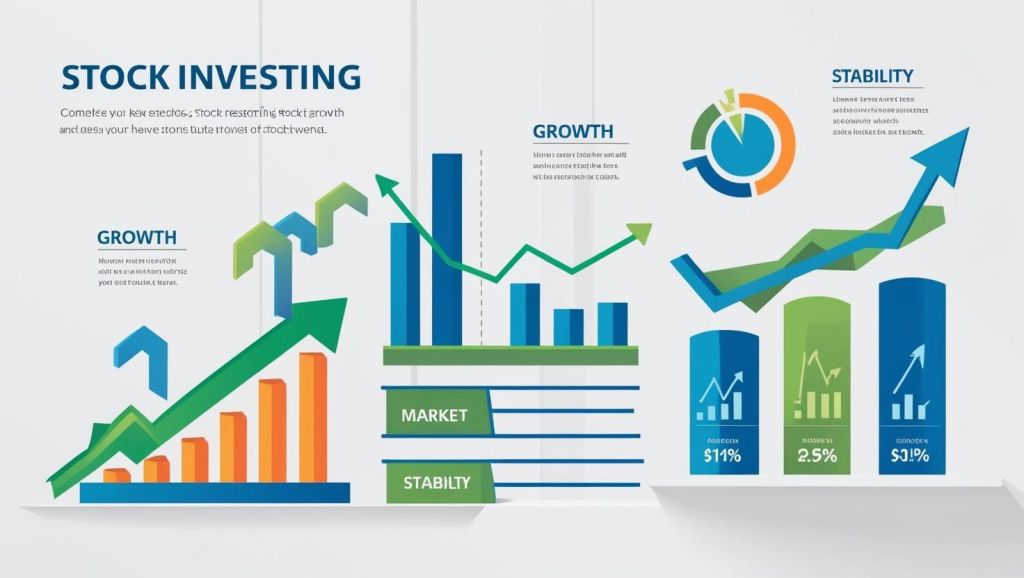
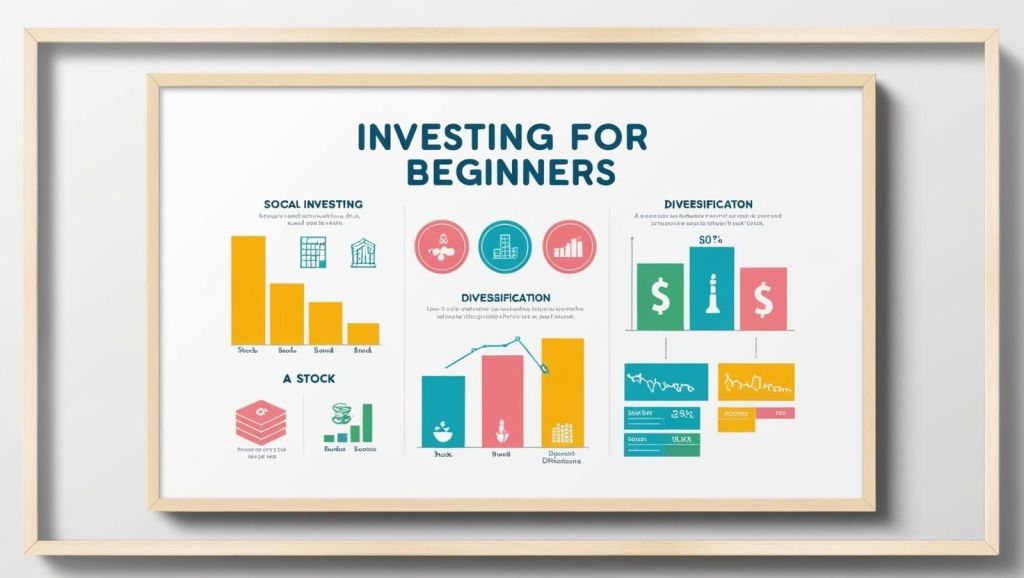
  • Stock Investing for Beginners: A Practical Guide to Getting Started

    “The stock market is a device for transferring money from the impatient to the patient.” – Warren Buffett

    Introduction

    Stock investing is one of the most accessible and effective ways to build wealth over time. But for beginners, it can seem complex and intimidating. This guide breaks it all down, giving you the knowledge and tools to start investing in the stock market with confidence.

    Table of Contents:

    1. What Is Stock Investing?
    2. Why Invest in Stocks?
    3. Understanding Risk and Return
    4. How the Stock Market Works
    5. Types of Stocks
    6. How to Start Investing
    7. Choosing a Brokerage Account
    8. Stock Market Strategies for Beginners
    9. Key Financial Metrics to Know
    10. Common Mistakes to Avoid
    11. Long-Term Investing vs. Trading
    12. Taxes and Stock Investing
    13. Tools and Resources for Investors
    14. Sample Portfolio for Beginners
    15. Real-World Case Studies
    16. Investing During a Market Crash
    17. Behavioral Finance and Investor Psychology
    18. Investing for Retirement
    19. Building Wealth with Stocks Over Time
    20. Final Thoughts and Next Steps


    1. What Is Stock Investing?

    When you buy a stock, you’re buying a share of ownership in a company. As a shareholder, you benefit when the company grows and its value increases. You also share the risks. If the company does poorly, the value of your shares can drop.

    There are two main ways to earn from stocks:

    Capital gains: Selling the stock at a higher price than you bought it.

    Dividends: A portion of a company’s profits paid to shareholders, usually on a quarterly basis.


    Stocks are traded on stock exchanges, and their prices are influenced by a wide range of factors including company performance, economic conditions, interest rates, and market sentiment.

    Key Concept: Stocks represent equity. When you own stock, you own a piece of a company. You’re not just betting on a price—you’re participating in that business’s future.

    2. Why Invest in Stocks? Investing in stocks has historically yielded higher long-term returns than other asset classes such as bonds or savings accounts. Here’s why stocks are attractive:

    Growth Potential: Stocks can significantly increase in value over time.

    Compound Returns: Reinvested dividends and capital gains compound, increasing wealth.

    Liquidity: Stocks are easy to buy and sell.

    Ownership: You own part of companies you believe in.

    Accessibility: With modern apps, anyone can start with as little as $10.


    Example: If you invested $1,000 in an S&P 500 index fund in 1990, by 2024 it would be worth over $19,000 assuming dividends were reinvested—a return of about 10% annually.

    3. Understanding Risk and Return Risk and return go hand in hand. Generally, the higher the potential return, the higher the risk.

    Market Risk: Stocks can lose value during a downturn.

    Company Risk: A business can underperform or fail.

    Volatility: Price swings can be sharp in the short term.


    Managing Risk:

    Diversify: Don’t put all your money in one stock or industry.

    Know Your Risk Tolerance: Invest based on your goals, timeline, and comfort level.

    Stay Long-Term: Time in the market usually beats timing the market.


    4. How the Stock Market Works Stock markets are places where shares of publicly traded companies are bought and sold. The two major U.S. exchanges are:

    New York Stock Exchange (NYSE)

    NASDAQ


    These are regulated by the SEC (Securities and Exchange Commission). Investors place buy/sell orders through brokers, and transactions happen electronically at market prices determined by supply and demand.

    Market Participants:

    Retail investors: Everyday individuals.

    Institutional investors: Hedge funds, pension funds.

    Market makers: Provide liquidity by quoting buy and sell prices.


    5. Types of Stocks There are various stock categories based on characteristics and investment strategy:

    Common Stock: Standard ownership with voting rights.

    Preferred Stock: Fixed dividend, priority over common stock in liquidation.

    Growth Stocks: Companies with strong growth potential, usually reinvest profits.

    Value Stocks: Undervalued companies with stable fundamentals.

    Dividend Stocks: Provide regular income.

    Blue-Chip Stocks: Large, established companies with solid reputations.

    Small-Cap Stocks: Smaller companies, potentially higher growth but more risk.


    6. How to Start Investing Here’s a detailed action plan:

    1. Define Your Goals: Retirement, buying a house, passive income?


    2. Build an Emergency Fund: 3–6 months of expenses in cash.


    3. Pay Down High-Interest Debt: Don’t invest while paying 20% credit card interest.


    4. Choose Your Investment Account:

    Brokerage account: Taxable.

    Roth IRA / 401(k): Tax-advantaged for retirement.


    5. Open a Brokerage Account: Choose based on fees, features, and usability.


    6. Deposit Funds and Start Small: Don’t wait to time the market—start now.


    7. Research Investments: Start with ETFs, index funds, or stocks of companies you understand.


    7. Choosing a Brokerage Account Here are some brokerages popular among beginners:

    Fidelity: Great research tools and customer service.

    Charles Schwab: Low fees, wide product range.

    Robinhood: User-friendly, but fewer research tools.

    Vanguard: Known for low-cost index funds.

    Webull: Advanced trading interface.


    Things to Compare:

    Account fees

    Commission per trade

    Research tools

    Mobile app interface

    Customer service

    Account minimums


    8. Stock Market Strategies for Beginners

    Buy and Hold: Buy quality stocks and hold them for years. Proven to work.

    Dollar-Cost Averaging (DCA): Invest the same amount regularly, regardless of price.

    Index Investing: Buy broad market ETFs like the S&P 500. Low cost, diversified.

    Dividend Investing: Build a portfolio of dividend-paying stocks for passive income.

    Thematic Investing: Focus on trends like AI, clean energy, or biotech—but be cautious of hype.

    Rebalancing: Regularly adjust your portfolio back to your target allocation.

    9. Key Financial Metrics to Know Understanding these metrics helps you evaluate potential stock investments:

    P/E Ratio: Price divided by earnings per share. Indicates how much investors are paying for $1 of earnings.

    EPS: Net income divided by shares. Measures profitability.

    ROE: Net income divided by shareholder equity. Indicates efficiency.

    Debt-to-Equity Ratio: Financial leverage.

    Dividend Yield: Dividend per share divided by stock price.

    Market Cap: Total value of a company’s outstanding shares.


    10. Common Mistakes to Avoid

    Chasing trends or hot tips

    Trading too often

    Lack of diversification

    Emotional decisions

    Ignoring fees and taxes

    Investing without a plan


    Tip: Write down your investing strategy and rules. Stick to it.

    11. Long-Term Investing vs. Trading

    Long-Term Investing:

    Lower taxes

    Fewer fees

    Less stress

    More aligned with building wealth


    Trading:

    High risk

    Requires constant attention

    Often underperforms the market


    Unless you have time, skill, and experience, long-term investing is typically better.

    12. Taxes and Stock Investing

    Capital Gains:

    Short-term (less than 1 year): Taxed as ordinary income

    Long-term (1+ year): Lower tax rates


    Dividends:

    Qualified: Lower tax rates

    Non-qualified: Taxed as regular income


    Tax-Advantaged Accounts:

    401(k): Employer-sponsored, tax-deferred

    Roth IRA: Tax-free growth, tax-free withdrawals in retirement

    Traditional IRA: Tax-deferred growth


    13. Tools and Resources for Investors

    Websites:

    Yahoo Finance

    Morningstar

    Finviz

    Seeking Alpha


    Books:

    The Intelligent Investor – Benjamin Graham

    A Random Walk Down Wall Street – Burton Malkiel

    One Up on Wall Street – Peter Lynch


    Apps:

    Robinhood

    Public

    Fidelity

    M1 Finance


    Podcasts:

    Motley Fool Money

    We Study Billionaires

    BiggerPockets Money


    14. Sample Portfolio for Beginners

    Example Allocation:

    50% Total Stock Market ETF (e.g., VTI)

    20% International Stock ETF (e.g., VXUS)

    20% Bonds (e.g., BND)

    10% Cash or High-Yield Savings


    As your knowledge grows, you can customize your allocations.

    15. Real-World Case Studies

    Case Study 1: Jane, age 25, invests $300/month in an index fund. By age 65, she has over $1 million.

    Case Study 2: Mike tries day trading and loses $10,000 in a year due to poor risk management.

    Case Study 3: Sarah builds a dividend portfolio and generates $500/month in passive income by age 40.


    16. Investing During a Market Crash

    Don’t panic sell.

    Keep investing—buying during dips can improve long-term returns.

    Crashes are normal and often followed by recovery.


    Example: During the 2008 crash, the market dropped 50%, but by 2013 it had fully recovered.

    17. Behavioral Finance and Investor Psychology

    Common biases:

    FOMO (Fear of Missing Out)

    Recency bias: Believing recent trends will continue

    Overconfidence

    Loss aversion


    Tip: Automate investing and limit how often you check your account.

    18. Investing for Retirement

    Start early to benefit from compound growth.

    Max out retirement accounts (401(k), IRA).

    Adjust risk level as you near retirement.

    Consider target-date funds for a hands-off approach.


    19. Building Wealth with Stocks Over Time

    Consistency beats perfection.

    Increase contributions as income grows.

    Reinvest dividends.

    Stay the course during volatility.


    Wealth from stocks is built slowly and steadily. It’s not about hitting home runs but avoiding strikeouts.

    20. Final Thoughts and Next Steps

    Stock investing doesn’t require perfect timing or a big bankroll. With patience, discipline, and a little education, you can grow your wealth and achieve your financial goals.

    Your Next Steps:

    1. Open a brokerage account
    2. Invest your first $100
    3. Set up automatic contributions
    4. Read one investing book
    5. Review your portfolio quarterly


    Quote to Remember: “The stock market is a device for transferring money from the impatient to the patient.” – Warren Buffett

    You don’t have to be perfect. You just have to start. The best time to invest was yesterday. The second-best time is now.

  • Investing for Beginners: Your Ultimate Guide to Building Wealth

    “The most powerful investment you can make is in your own education. The more you learn, the more you earn—not just in wealth, but in wisdom.”

    Investing can seem intimidating when you’re just starting out. Between the complex jargon and endless choices, it’s easy to feel overwhelmed. But here’s the good news: anyone can learn to invest with the right guidance. Whether your goal is to build wealth, save for retirement, or simply grow your money, this comprehensive guide will walk you through every step of the process.

    Chapter 1: Understanding Investing

    Before diving into the nuts and bolts of investing, it’s crucial to understand the fundamental concepts that underpin the practice.

    What Is Investing?

    Investing is the act of allocating money with the expectation of generating profit or income. The goal is to grow your wealth over time, either through capital appreciation (the increase in value of an asset) or by earning income (like dividends or interest).

    Why Should You Invest?

    People invest for a variety of reasons, but the most common include:
    • Building wealth over the long term
    • Generating passive income
    • Saving for retirement
    • Funding education or major life goals
    • Protecting against inflation

    The Power of Compound Interest

    One of the most powerful forces in investing is compound interest. Albert Einstein reportedly called it the “eighth wonder of the world.” Compounding occurs when the returns you earn on your investment generate even more returns over time.

    For example:
    • If you invest $10,000 at an annual interest rate of 7%, in 10 years, it would grow to about $19,672.
    • In 20 years, it would be approximately $38,697.
    • In 30 years, it would soar to $76,123.

    The longer you let your money grow, the more exponential the returns become.

    Chapter 2: Setting Your Investment Goals

    Your investment strategy should always begin with clear and measurable goals. Start by asking yourself:
    1. Why am I investing?
    2. What do I hope to achieve?
    3. What is my time horizon?
    4. How much risk am I willing to take?

    Short-Term vs. Long-Term Goals

    Understanding the timeline for your goals will help determine your investment strategy.

    Short-Term Goals (1-3 years)
    • Emergency fund
    • Vacation savings
    • Home renovation fund

    Recommended investments:
    • High-yield savings accounts
    • Certificates of deposit (CDs)
    • Money market funds

    Medium-Term Goals (3-10 years)
    • Buying a house
    • Funding a wedding
    • Starting a business

    Recommended investments:
    • Bond funds
    • Balanced mutual funds
    • Dividend-paying stocks

    Long-Term Goals (10+ years)
    • Retirement savings
    • College funds
    • Financial independence

    Recommended investments:
    • Individual stocks
    • Index funds
    • Real estate
    • Cryptocurrencies (for higher risk tolerance)

    Chapter 3: Understanding Your Risk Tolerance

    Investing always carries some risk. The key is to understand how much risk you are willing and able to take.

    Factors That Influence Risk Tolerance
    1. Age: Younger investors can typically afford to take on more risk.
    2. Income: Higher income generally allows for more risk-taking.
    3. Financial Obligations: More responsibilities (like a mortgage) might mean less risk.
    4. Personality: Are you conservative or aggressive with money?

    Types of Risk Tolerance
    • Conservative: Prefers low-risk investments, minimal fluctuation.
    • Moderate: Comfortable with a balanced approach of growth and safety.
    • Aggressive: Seeks high returns despite the risk of significant losses.

    Chapter 4: Types of Investments

    Investing can be broken down into several main asset classes. Each has its own risk and return profile.

    1. Stocks (Equities)

    Investing in stocks means buying shares of a company. When the company does well, the value of your shares increases.

    Advantages:
    • High potential returns
    • Ownership stake in a company
    • Dividend payments (in some cases)

    Disadvantages:
    • High volatility
    • Risk of losing your principal investment

    2. Bonds (Fixed Income)

    Bonds are essentially loans you give to companies or governments, and they pay you interest over time.

    Advantages:
    • Regular income through interest payments
    • Lower risk compared to stocks
    • Ideal for conservative investors

    Disadvantages:
    • Lower returns compared to stocks
    • Sensitive to interest rate changes

    3. Real Estate

    Investing in property to earn rental income or capital appreciation.

    Advantages:
    • Tangible asset
    • Potential for rental income
    • Hedge against inflation

    Disadvantages:
    • High upfront costs
    • Ongoing maintenance and management

    4. Commodities

    Physical assets like gold, silver, oil, and agricultural products.

    Advantages:
    • Diversification from financial assets
    • Inflation protection

    Disadvantages:
    • Price volatility
    • Storage and insurance costs (for physical assets)

    5. Mutual Funds and ETFs

    Mutual funds pool money from many investors to buy a diversified portfolio. ETFs (Exchange-Traded Funds) are similar but trade on stock exchanges like individual stocks.

    Advantages:
    • Diversification
    • Professional management (for mutual funds)
    • Liquidity (especially ETFs)

    Disadvantages:
    • Management fees
    • Limited control over individual assets

    6. Cryptocurrencies

    Digital or virtual currencies that use blockchain technology.

    Advantages:
    • High potential returns
    • Decentralization
    • Hedge against traditional financial systems

    Disadvantages:
    • Extremely volatile
    • Lack of regulation
    • Risk of loss from hacking or scams

    Chapter 5: Building a Diversified Portfolio

    Diversification is spreading your investments across different assets to reduce risk. The goal is to create a balanced portfolio that mitigates losses in one area with gains in another.

    Asset Allocation

    The mix of stocks, bonds, real estate, and other assets should reflect your risk tolerance and investment goals.

    Sample Allocations:
    • Conservative: 20% stocks, 70% bonds, 10% cash
    • Moderate: 50% stocks, 40% bonds, 10% real estate
    • Aggressive: 70% stocks, 20% bonds, 10% cryptocurrencies

    Chapter 6: Choosing Your Investment Platform

    There are several platforms where you can start investing, depending on your needs and preferences.

    1. Brokerage Accounts

    Full control over your investment choices.
    • Examples: Fidelity, Charles Schwab, TD Ameritrade

    2. Robo-Advisors

    Automated investment platforms that create diversified portfolios.
    • Examples: Betterment, Wealthfront

    3. Retirement Accounts

    Tax-advantaged accounts designed for long-term savings.
    • Examples: 401(k), IRA, Roth IRA

    4. Apps for Beginners
    • Robinhood: Commission-free stock and crypto trading.
    • Acorns: Round-up investing for small amounts.
    • Stash: Educational tools with low entry points.

    Chapter 7: Investment Strategies for Beginners

    Your investment strategy will determine how you allocate assets and respond to market changes.

    1. Buy and Hold

    Hold investments long-term, regardless of short-term market fluctuations.
    • Ideal for: Building wealth over decades
    • Risk level: Moderate to high

    2. Dollar-Cost Averaging

    Investing a fixed amount regularly, regardless of market price.
    • Ideal for: Reducing market timing risk
    • Risk level: Low to moderate

    3. Growth Investing

    Focusing on stocks that are expected to grow faster than average.
    • Ideal for: Long-term capital appreciation
    • Risk level: High

    4. Value Investing

    Buying undervalued stocks based on fundamentals.
    • Ideal for: Patient investors seeking bargains
    • Risk level: Moderate

    5. Dividend Investing

    Investing in stocks that pay regular dividends.
    • Ideal for: Generating passive income
    • Risk level: Low to moderate

    Chapter 8: Managing and Monitoring Your Investments

    Successful investing doesn’t end with buying assets. You need to manage and monitor your portfolio regularly.

    Rebalancing Your Portfolio

    Adjust your asset mix periodically to maintain your desired risk level. For example:
    • Sell some assets that have grown significantly.
    • Buy assets that have underperformed to restore balance.

    Tracking Performance

    Measure your progress using metrics like:
    • Return on Investment (ROI)
    • Annualized Return
    • Risk-Adjusted Return (Sharpe Ratio)

    Chapter 9: Avoiding Common Investment Mistakes

    1. Emotional Trading

    Making impulsive decisions based on fear or excitement often leads to losses.

    2. Lack of Diversification

    Concentrating all investments in one asset class increases risk.

    3. Ignoring Fees

    High fees can erode your returns over time.

    4. Trying to Time the Market

    Predicting market highs and lows is nearly impossible.

    Chapter 10: Getting Started Today
    1. Educate Yourself: Keep learning and stay updated on market trends.
    2. Set Your Goals: Make them clear and achievable.
    3. Open an Account: Choose a platform that suits your needs.
    4. Start Small: Test the waters with manageable investments.
    5. Be Consistent: Invest regularly and stick to your plan.

    Conclusion
    Investing is a powerful way to build wealth, but it requires knowledge, discipline, and patience. By following this comprehensive guide, you’ll be equipped to make smart investment decisions and build a secure financial future. Remember, the most important step is to start—so why not begin today?

  • Navigating the Stock Market: Beyond the Buzzwords and Into Strategic Investing

    “If you aren’t willing to own a stock for 10 years, don’t even think about owning it for 10 minutes.” – Warren Buffett

    The allure of the stock market is undeniable. Tales of overnight fortunes and early retirement paint a vivid picture of financial freedom. However, the reality is far more nuanced, demanding patience, knowledge, and a strategic approach. While quick wins are possible, sustainable success lies in understanding the fundamentals and embracing a long-term perspective.


    This blog post delves into the intricacies of stock investing, moving beyond the sensational headlines and focusing on actionable strategies. We’ll explore how to navigate the market effectively, including the importance of due diligence and the power of long-tail keywords in your investment research.
    Understanding the Foundation: Value Investing and Beyond
    At the heart of sound stock investing lies the concept of value. As Warren Buffett famously said, “Price is what you pay. Value is what you get.” This principle underscores the importance of assessing a company’s intrinsic worth, not just its current market price.


    1. Analyzing Financial Statements for Undervalued Growth Stocks in Emerging Markets
    One powerful strategy is to delve into the financial statements of companies operating in emerging markets. These markets often present unique opportunities for growth, but they also require meticulous analysis. “How to analyze financial statements for undervalued growth stocks in emerging markets” is a critical skill for investors seeking to identify hidden gems.
    * Key Financial Metrics: Investors must scrutinize metrics like earnings per share (EPS), price-to-earnings (P/E) ratio, debt-to-equity ratio, and return on equity (ROE). These metrics provide insights into a company’s profitability, financial health, and growth potential.
    * Emerging Market Specifics: When analyzing emerging markets, consider factors like political stability, currency fluctuations, and regulatory environments. These elements can significantly impact a company’s performance.
    * Qualitative Factors: Beyond the numbers, consider the company’s competitive advantage, management team, and industry outlook.


    2. Building a Stable Income Stream: Long-Term Dividend Stocks
    For those seeking a reliable income stream, dividend-paying stocks offer a compelling option. However, not all dividend stocks are created equal. “Best long term dividend paying stocks with low volatility for retirement income” is a crucial search query for retirees and income-focused investors.
    * Dividend Aristocrats: These are companies with a long track record of consistently increasing dividends. They often exhibit stability and resilience during market downturns.
    * Low Volatility: Seek stocks with lower beta values, indicating less sensitivity to market fluctuations. This ensures a more stable income stream.
    * Payout Ratio: Assess the company’s payout ratio, which indicates the proportion of earnings paid out as dividends. A sustainable payout ratio ensures the company can maintain its dividend payments.


    3. Navigating Options: Covered Calls and Tax Implications
    Options trading can be a powerful tool, but it requires a deep understanding of its intricacies. Covered calls, for example, can generate income while holding onto existing stock positions. However, understanding the tax implications is crucial. “What are the tax implications of selling covered call options on tech stocks” is a critical consideration for options traders.
    * Tax Treatment: The tax treatment of covered call options can vary depending on the holding period and exercise of the option.
    * Consulting a Tax Professional: It’s essential to consult with a tax professional to understand the specific tax implications of your options trading strategy.
    * Risk Management: Options trading involves inherent risks. Implement robust risk management strategies to mitigate potential losses.


    4. Diversification and Sustainability: ETFs for the Future
    Diversification is a cornerstone of sound investing. Exchange-traded funds (ETFs) offer a convenient way to diversify across various sectors and asset classes. “How to build a diversified stock portfolio using ETFs for sustainable investing in renewable energy” is a relevant search query for investors seeking to align their investments with their values.
    * Renewable Energy ETFs: These ETFs track indices of companies involved in renewable energy sectors like solar, wind, and geothermal.
    * ESG Investing: Environmental, social, and governance (ESG) factors are increasingly important to investors. Seek ETFs that prioritize companies with strong ESG performance.
    * Portfolio Allocation: Determine the appropriate allocation of ETFs within your overall portfolio based on your risk tolerance and investment goals.


    5. Unearthing Hidden Gems: Small-Cap Stocks with Strong Fundamentals
    Small-cap stocks can offer significant growth potential, but they also carry higher risks. “Strategies for identifying and investing in small cap stocks with strong management teams and competitive advantages” is a key search query for investors seeking to capitalize on this market segment.
    * Due Diligence: Thoroughly research small-cap companies, focusing on their financial health, management team, and competitive landscape.
    * Competitive Advantages: Look for companies with unique products, services, or technologies that provide a sustainable competitive edge.
    * Management Team: Assess the experience and track record of the company’s management team. A strong management team is crucial for driving growth and navigating challenges.
    Beyond the Keywords: The Importance of Patience and Discipline
    While long-tail keywords can guide your research, successful stock investing requires more than just identifying promising opportunities. Patience and discipline are paramount.
    * Long-Term Perspective: Embrace a long-term investment horizon. Avoid impulsive decisions based on short-term market fluctuations.
    * Regular Review: Periodically review your portfolio and rebalance as needed to maintain your desired asset allocation.
    * Continuous Learning: Stay informed about market trends, economic developments, and investment strategies.
    Conclusion: A Journey of Knowledge and Growth
    Stock investing is a journey of continuous learning and adaptation. By understanding the fundamentals, conducting thorough research, and embracing a long-term perspective, you can navigate the market effectively and achieve your financial goals. Remember that the market will always have its ups and downs. It is the prepared and educated investor that will see the most success over time. By using the long tail keywords, and the information provided, you will be better equipped to make sound investment decisions.