Category: Budgeting & Saving

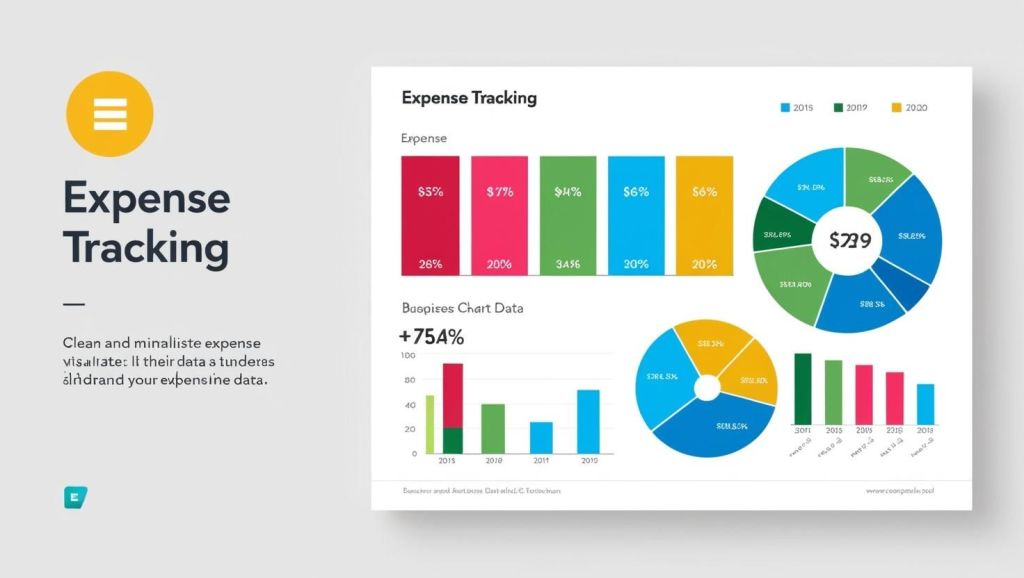
  • Master Your Money: The Ultimate Guide to Tracking Expenses (and Why It’s Totally Worth It)

    Introduction: Why Bother Tracking Expenses in the First Place?
    Let’s be honest—tracking your expenses sounds like a drag. It conjures images of spreadsheets, receipts stuffed in wallets, and that lingering sense of guilt when you realize just how much you spent on takeout last month. But here’s the thing: tracking your expenses is one of the most powerful (and underrated) tools for taking control of your money.
    Whether you’re trying to save more, get out of debt, or just stop living paycheck to paycheck, expense tracking is where it all begins. Think of it like a financial map. If you don’t know where your money’s going, how can you possibly direct it toward your goals?
    In this guide, we’re going deep. We’ll answer the big questions: Why should you track your expenses? What’s the best way to do it? How do you make it stick? And is it really worth the time and effort?
    Let’s dive in.

    1. Why Should I Track My Expenses?
    a. Awareness is Everything
    The first and most obvious benefit of tracking your expenses is awareness. Most of us think we know where our money goes, but reality usually tells a different story. A $5 coffee here, a quick Uber there, it adds up fast.
    Expense tracking gives you a crystal-clear view of your spending habits. It helps identify where you’re overspending, what expenses are recurring, and where you might be able to cut back without really feeling it.
    b. Builds Better Habits
    Once you see your spending laid out in front of you, you’re more likely to make better choices. It’s like food journaling for your wallet. Seeing how often you hit the drive-thru might just make you cook at home more often.
    c. Reduces Financial Stress
    Ever felt that anxious, gnawing feeling that you’re not really sure if you can afford something—but you go for it anyway? Tracking expenses helps eliminate that uncertainty. When you know your numbers, you spend with confidence.
    d. Helps You Reach Goals Faster
    Whether your goal is to pay off debt, save for a trip, or build an emergency fund, tracking your expenses is a crucial step. You can’t manage what you don’t measure.

    2. What Is the Best Way to Track Expenses?
    There’s no one-size-fits-all answer here. The best method depends on your lifestyle, preferences, and how involved you want to be.
    a. Apps (Best for Convenience)
    Apps like Mint, YNAB (You Need A Budget), PocketGuard, or EveryDollar can automate much of the process by syncing to your bank accounts and categorizing expenses.
    Pros:
    • Automatic syncing
    • Visual reports
    • Goal tracking
    Cons:
    • Privacy concerns
    • Can become passive if you’re not engaged
    b. Spreadsheets (Best for Customization)
    If you’re the type who likes to get into the nitty-gritty, spreadsheets are perfect. You can create your own categories, formulas, and set it up exactly how you want.
    Pros:
    • Fully customizable
    • Great for detail lovers
    Cons:
    • Manual entry can be time-consuming
    • Requires consistency
    c. Pen and Paper (Best for Simplicity)
    Old school, yes, but for some people, writing things down is the key to mindfulness.
    Pros:
    • Keeps you highly engaged
    • No tech required
    Cons:
    • No automation or analytics
    • Easy to lose or forget

    3. How to Track Expenses Effectively
    It’s not just about logging numbers. Here’s how to make your tracking truly work:
    a. Be Consistent
    Whether it’s daily, weekly, or monthly, just pick a schedule and stick to it. Consistency is more important than perfection.
    b. Categorize Thoughtfully
    Break your spending into clear, actionable categories (e.g., groceries, transportation, dining out, subscriptions, etc.). Too few categories, and you won’t get enough insight. Too many, and it becomes overwhelming.
    c. Track Everything
    Yes, even that $2 vending machine soda. Small purchases often fly under the radar but can eat a big chunk of your budget over time.
    d. Review and Reflect
    Once a week or month, look over your data. What surprised you? What’s trending up? What needs adjusting? Expense tracking is useless unless you use the information.


    4. How Can I Make It a Habit?
    Tracking expenses is only helpful if you keep doing it. Here’s how to make it stick:
    a. Start Small
    Don’t try to overhaul your whole financial life overnight. Start by tracking one week. Then build from there.
    b. Set a Reminder
    Use calendar alerts, phone notifications, or a sticky note on your laptop, whatever works to remind you to log your expenses.
    c. Make It a Ritual
    Tie it to something you already do. For example, log your expenses right after dinner or as part of your Sunday night planning.
    d. Reward Yourself
    Hit a goal? Stay consistent for a month? Treat yourself (responsibly). Positive reinforcement builds habits.


    5. What Should I Do With the Information?
    Great—you’ve tracked your spending. Now what?
    a. Spot Patterns
    Maybe you’re spending more on delivery than groceries. Maybe subscriptions you forgot about are quietly draining you. Identifying patterns is the first step toward making better choices.
    b. Set Realistic Budgets
    Use your data to create realistic, sustainable budgets. No guesswork, just facts.
    c. Cut Waste
    Cancel unused subscriptions. Find cheaper alternatives. Scale back categories that don’t align with your goals.
    d. Reallocate to Priorities
    Now that you’ve trimmed the fat, redirect that money to where it matters—debt payments, savings, investing, or experiences you truly value.
    e. Track Progress Over Time
    Compare your monthly reports. Celebrate wins. Notice setbacks. Use it all to keep improving.


    6. Is It Really Worth the Effort?
    Yes. Unequivocally, yes.
    Tracking your expenses might feel tedious at first, but the clarity and control it brings is unmatched. It’s not about restriction, it’s about freedom. Freedom to make informed choices, to set and hit financial goals, and to stop wondering where the hell your money went.
    Once you’ve got the hang of it, it becomes second nature. And the payoff? Peace of mind, financial security, and the ability to plan your life with intention.
    Still think it’s not worth it?
    Give it 30 days. Track everything. Reflect on it. Then decide.

    Final Thoughts: Your Money, Your Power
    Expense tracking isn’t a punishment. It’s a superpower. The sooner you start, the sooner you’ll see just how much control you can take back over your finances.
    Start with a simple method. Keep it consistent. Use the insights. And keep going.
    This isn’t about being perfect, it’s about being aware, intentional, and empowered.
    You’ve got this.
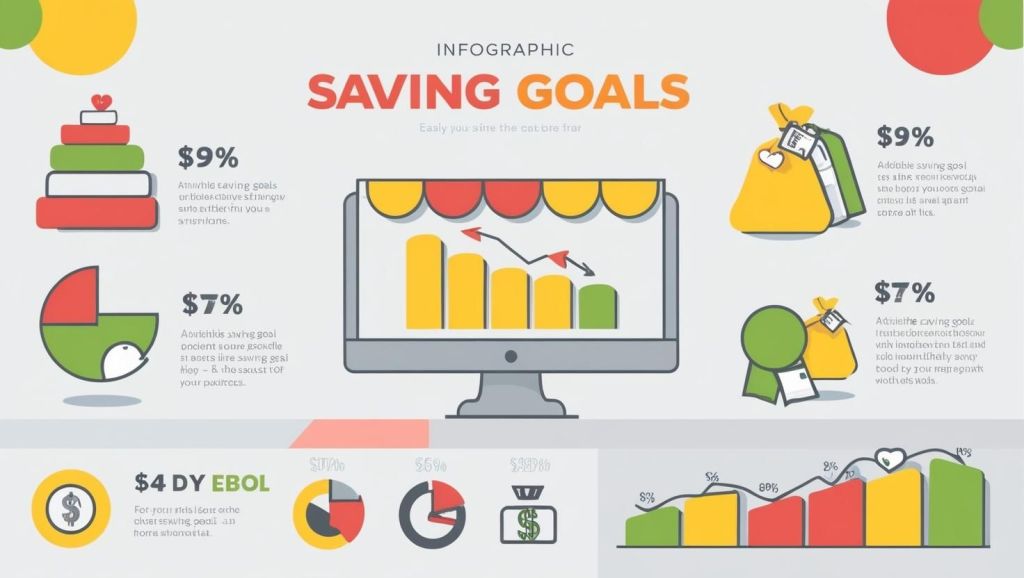
  • Navigating Your Financial Future: Achieving Savings Goals with Precision and Resilience

    “Every small saving is a brick in the foundation of your financial dreams.”

    In the intricate tapestry of modern life, financial stability stands as a cornerstone of peace of mind. Whether you dream of a comfortable retirement, a dream vacation, or simply a robust emergency fund, setting and achieving savings goals is paramount. However, the journey towards financial security is rarely a straight line. It’s a winding path, fraught with challenges and requiring adaptability. To navigate this path effectively, we delve into five crucial aspects of savings goals


    1. “How to Automate Savings for a Specific Financial Goal with a Low Income”
    The perception that saving is solely for those with high incomes is a pervasive myth. Regardless of your financial standing, automation can be a powerful ally. The key is to optimize your savings strategy to align with your limited resources.
    * Micro-Savings Apps: These apps round up your purchases to the nearest dollar and invest the difference. While seemingly insignificant, these small amounts accumulate substantially over time.
    * Percentage-Based Transfers: Even if you can only allocate a small percentage of your income, make it automatic. This ensures consistent contributions without requiring conscious effort.
    * Prioritize Essential Goals: Focus on one or two critical goals, such as an emergency fund or debt repayment. This prevents your limited income from being spread too thin.
    * Budgeting with Zero-Based Budgeting: Allocate every dollar of your income to a specific purpose. This method forces you to be mindful of your spending and identify areas for potential savings.
    * Negotiate Bills and Reduce Expenses: Even small reductions in recurring bills can free up extra cash for savings. Explore options for cheaper internet, phone plans, or insurance.
    Automation removes the emotional burden of saving, making it a seamless part of your financial routine. Even with a low income, consistent, automated contributions can lead to significant progress.


    2. “Best Online Tools to Visualize and Track Progress Towards Multiple Savings Goals”
    Visualizing your savings progress can be a potent motivator. In a world awash with data, online tools provide a clear, tangible representation of your financial journey.
    * Personal Finance Dashboards: Platforms like Mint, Personal Capital, and YNAB offer comprehensive dashboards that consolidate your financial information, including savings goals.
    * Spreadsheet Software: Tools like Google Sheets or Microsoft Excel allow for customized tracking. You can create charts and graphs to visualize your progress.
    * Goal-Specific Apps: Apps such as Qapital and Digit provide dedicated interfaces for setting and tracking savings goals, often with visual progress bars and celebratory notifications.
    * Financial Planning Software: Programs like Quicken and Moneydance offer detailed financial planning tools, including goal tracking and progress reports.
    * Customizable Visualizations: Many tools allow you to create custom visualizations, such as progress bars, pie charts, and line graphs, to represent your savings progress.
    These tools transform abstract financial goals into concrete, visual achievements, making the journey more engaging and motivating.


    3. “Strategies for Maintaining Motivation When Facing Setbacks in Long-Term Savings Goals”
    The path to long-term savings goals is rarely smooth. Setbacks, such as job loss, unexpected expenses, or market downturns, can derail your progress. Maintaining motivation during these times is crucial.
    * Revisit Your “Why”: Remind yourself of the reasons behind your savings goals. This can reignite your motivation during challenging times.
    * Break Down Goals into Smaller Milestones: Smaller, achievable milestones provide a sense of accomplishment and maintain momentum.
    * Celebrate Small Victories: Acknowledge and celebrate every step forward, no matter how small. This reinforces positive saving habits.
    * Seek Support: Share your goals with friends, family, or online communities. Support and encouragement can be invaluable during setbacks.
    * Adjust Your Plan, Not Your Goals: If necessary, adjust your savings plan to accommodate the setback, but don’t abandon your long-term goals.
    Resilience is key. Setbacks are inevitable, but they don’t have to define your financial journey.


    4. “How to Adjust Savings Goals During Periods of Economic Uncertainty and Inflation”
    Economic uncertainty and inflation can significantly impact your savings goals. Adapting your strategy is essential to navigate these turbulent times.
    * Reassess Your Budget: Inflation erodes purchasing power, so it’s crucial to reassess your budget and identify areas for potential savings.
    * Increase Savings Contributions: If possible, increase your savings contributions to offset the effects of inflation.
    * Invest in Inflation-Protected Securities: Consider investing in Treasury Inflation-Protected Securities (TIPS) or I bonds to protect your savings from inflation.
    * Diversify Investments: Diversification can mitigate the impact of market volatility. Spread your investments across various asset classes.
    * Review and Adjust Your Timeline: Economic uncertainty may necessitate adjustments to your savings timeline. Be flexible and adaptable.
    Economic uncertainty requires a proactive approach. By adjusting your savings strategy, you can protect your financial future.


    5. “Effective Ways to Combine Short-Term and Long-Term Savings Goals Without Sacrificing Either”
    Balancing short-term and long-term savings goals can be challenging. However, with careful planning and prioritization, it’s achievable.
    * Allocate Funds to Separate Accounts: Use separate savings accounts for short-term and long-term goals. This ensures that funds are not commingled.
    * Prioritize Essential Short-Term Goals: Focus on short-term goals that are essential, such as an emergency fund or debt repayment.
    * Automate Contributions to Both Accounts: Set up automatic transfers to both your short-term and long-term savings accounts.
    * Utilize the 50/30/20 Rule: Allocate 50% of your income to needs, 30% to wants, and 20% to savings. This provides a balanced approach to managing your finances.
    * Regularly Review and Adjust Your Plan: Life is dynamic, so your financial plan should be too. Periodically review and adjust your savings allocations.
    Combining short-term and long-term goals requires a balanced approach. By prioritizing essential goals and automating contributions, you can achieve both without sacrificing either.
    The Emotional Landscape of Savings Goals
    Beyond the practical strategies, the emotional landscape of savings goals is equally significant. Fear, anxiety, and doubt can hinder your progress. Cultivating a positive mindset and celebrating small victories can transform your financial journey.
    The Role of Education and Community
    Financial education and community support can be invaluable assets. Seek out resources, such as books, podcasts, and online communities, to enhance your financial literacy. Sharing your experiences and learning from others can provide invaluable insights.


    Conclusion
    Savings goals are not mere financial targets; they are the blueprints of your dreams. By employing targeted strategies, leveraging technology, and cultivating resilience, you can navigate the complexities of financial planning. The five long-tail keywords discussed in this post provide a roadmap for achieving your savings goals with precision and confidence. Remember, the journey towards financial security is a marathon, not a sprint. With patience, discipline, and a well-defined plan, you can transform your financial aspirations into tangible realities.

  • Demystifying Expense Tracking: A Guide to Financial Clarity

    In the labyrinth of personal and business finance, one fundamental practice stands out as a beacon of clarity: expense tracking. While the phrase might conjure images of tedious spreadsheets and endless receipts, mastering expense tracking is the cornerstone of sound financial management. This comprehensive guide will delve into five key aspects of expense tracking, addressing specific long-tail keywords to illuminate the path to financial stability.
    1. Best Free Expense Tracking App for Small Business Owners
    For small business owners, every penny counts. Navigating the complexities of business expenses can be overwhelming, especially when resources are limited. This is where free expense tracking apps come into play, offering a cost-effective solution to monitor and manage finances.
    The search for the “best free expense tracking app for small business owners” often leads to a plethora of options, each promising to streamline financial processes. However, not all apps are created equal. Key features to look for include:
    * Ease of Use: A user-friendly interface is crucial, allowing for quick and efficient data entry.
    * Categorization: The ability to categorize expenses accurately is essential for insightful financial analysis.
    * Reporting: Robust reporting features provide a clear overview of spending patterns and financial health.
    * Integration: Integration with bank accounts and other financial tools can automate data entry and enhance accuracy.
    * Mobile Accessibility: Mobile apps allow for on-the-go expense tracking, ensuring no transaction goes unrecorded.
    Popular free options often include basic versions of larger financial software, or dedicated apps designed for sole proprietors. These apps can significantly reduce the burden of manual expense tracking, allowing business owners to focus on growth and operations. However, it is important to check the terms of service, as some free versions have limited features.
    2. How to Create a Simple Expense Tracking Spreadsheet for Monthly Budget
    While apps offer convenience, the simplicity of a spreadsheet remains a powerful tool for personal finance. Learning “how to create a simple expense tracking spreadsheet for monthly budget” empowers individuals to take control of their finances without relying on external software.
    A basic expense tracking spreadsheet should include the following columns:
    * Date: The date of the transaction.
    * Description: A brief description of the expense.
    * Category: The category of the expense (e.g., groceries, rent, entertainment).
    * Amount: The amount spent.
    To enhance the spreadsheet’s functionality, consider adding:
    * Budgeted Amount: The allocated budget for each category.
    * Actual Amount: The actual amount spent.
    * Difference: The difference between the budgeted and actual amounts.
    This simple structure allows for easy tracking and analysis of monthly expenses. Using formulas to calculate totals and differences can automate the process and provide a clear overview of spending habits. Spreadsheets also offer the flexibility to customize categories and add notes, making them a versatile tool for personal finance management.
    3. Expense Tracking Tips for Freelancers with Irregular Income
    Freelancers face unique financial challenges, particularly when it comes to managing irregular income. “Expense tracking tips for freelancers with irregular income” are essential for navigating the fluctuations and ensuring financial stability.
    Key strategies include:
    * Consistent Tracking: Regardless of income fluctuations, maintain consistent expense tracking to identify spending patterns.
    * Categorization: Categorize expenses based on business and personal needs to separate financial obligations.
    * Set Aside for Taxes: Allocate a percentage of each payment for taxes to avoid surprises during tax season.
    * Emergency Fund: Build an emergency fund to cover expenses during periods of low income.
    * Regular Reviews: Regularly review expenses and adjust spending habits as needed.
    * Use of tools: Employing apps or spreadsheets that allow for customizable categories and reporting is crucial.
    Freelancers should also consider setting up separate bank accounts for business and personal expenses to maintain clear financial boundaries.
    4. What are the Benefits of Expense Tracking for Personal Finance Management?
    Understanding “what are the benefits of expense tracking for personal finance management” is crucial for motivating individuals to adopt this practice. The advantages extend beyond simply knowing where money is going.
    Key benefits include:
    * Increased Awareness: Expense tracking provides a clear picture of spending habits, revealing areas where money is being wasted.
    * Budgeting: Tracking expenses allows for the creation of realistic budgets based on actual spending patterns.
    * Debt Reduction: Identifying unnecessary expenses can free up funds for debt repayment.
    * Savings Goals: Tracking expenses helps individuals prioritize savings goals and allocate funds accordingly.
    * Financial Security: Consistent expense tracking leads to improved financial stability and reduced stress.
    * Informed Decisions: It allows a person to make informed financial decisions.
    By understanding these benefits, individuals are more likely to commit to expense tracking and reap the rewards of improved financial management.
    5. How to Automate Expense Tracking with Bank Account Integration
    In the digital age, automation is key to efficiency. “How to automate expense tracking with bank account integration” is a question that resonates with those seeking to streamline their financial processes.
    Bank account integration offers several advantages:
    * Automated Data Entry: Transactions are automatically imported into expense tracking apps or spreadsheets, eliminating manual data entry.
    * Real-Time Updates: Transactions are updated in real-time, providing an accurate overview of spending.
    * Reduced Errors: Automation minimizes the risk of human error, ensuring accurate data.
    * Time Savings: Automating expense tracking saves valuable time, allowing individuals to focus on other financial tasks.
    Many expense tracking apps offer bank account integration, allowing for seamless data transfer. However, it is essential to ensure the app’s security and privacy policies before linking bank accounts.
    Conclusion
    Expense tracking is not merely a chore; it is a fundamental practice that empowers individuals and small business owners to achieve financial clarity and stability. Whether using a free app, a simple spreadsheet, or automating the process with bank account integration, the key is to adopt a consistent and disciplined approach. By understanding the benefits and utilizing the right tools, anyone can master expense tracking and pave the way for a brighter financial future.