Author: jackvivo

  • Health Insurance 101: A Simple Guide for Beginners

    Health insurance can be intimidating—especially if you’re dealing with it for the first time. Maybe you’re switching jobs, aging off your parents’ plan, going freelance, or just trying to understand what all those terms mean.

    Whatever the case, this guide is for you. We’ll walk through the basics, clear up the confusion, and help you feel more confident making decisions about your coverage.

    Table of Contents
    1. What is Health Insurance?
    2. Why Do You Need Health Insurance?
    3. Key Terms to Know
    4. How Health Insurance Works
    5. Types of Health Insurance Plans
    6. Public vs. Private Insurance
    7. How Health Insurance Is Paid For
    8. Choosing the Right Plan (Step-by-Step)
    9. What’s Typically Covered?
    10. What’s Not Covered?
    11. How to Use Your Insurance Effectively
    12. How to Save Money on Health Insurance
    13. Common Mistakes to Avoid
    14. Health Insurance Myths and Truths
    15. Final Thoughts

    1. What is Health Insurance?
    Health insurance is a system that helps you pay for healthcare. It’s a financial agreement between you and a health insurance company. You pay them a monthly fee (called a premium), and in return, they agree to cover a portion of your medical costs.

    It’s not just about catastrophic coverage—insurance is about managing risk. When you’re healthy, you may not think you need it. But when you get sick, injured, or need surgery, the costs can skyrocket.

    Here’s a quick example:
    • An ER visit can cost $2,000–$5,000
    • A broken bone can cost $7,500
    • Cancer treatment can cost over $100,000

    Without insurance, those bills land in your lap. With insurance, they’re at least partially covered.

    2. Why Do You Need Health Insurance?

    1. Healthcare Is Expensive

    Even routine care adds up. A simple check-up can cost $150–$300. A blood test? $100+. Prescription meds? Hundreds per month. Health insurance helps protect you from the full financial burden.

    2. Emergencies Happen

    You can’t predict accidents, illnesses, or hospitalizations. Insurance gives you peace of mind that you won’t be stuck with a mountain of debt after a sudden event.

    3. Preventive Care Keeps You Healthy

    Most insurance plans include free preventive care, like vaccinations, cancer screenings, and annual physicals. This helps catch problems early—and keeps you healthier over time.

    4. It’s Often Required

    In some places (like certain U.S. states), it’s legally required. And even where it’s not mandatory, going without coverage can limit your access to care.

    3. Key Terms to Know

    Let’s decode the most common terms in simple language:
    • Premium: The monthly fee you pay for your insurance, even if you don’t use it that month.
    • Deductible: The amount you have to pay out of pocket before insurance starts to help.
    • Copay: A flat fee for specific services (e.g., $30 for a doctor visit).
    • Coinsurance: The percentage you pay after your deductible is met (e.g., you pay 20%, insurance pays 80%).
    • Out-of-pocket maximum: The most you’ll have to pay in a year. After that, insurance covers everything at 100%.
    • In-network provider: A doctor or facility that has a contract with your insurance company.
    • Out-of-network provider: One that doesn’t. Costs are usually higher.
    • Formulary: The list of prescription drugs your plan covers.

    Understanding these is half the battle. Once you know how they fit together, the whole system starts to make more sense.

    4. How Health Insurance Works

    Let’s break this down step by step.

    Example:
    • You have a $2,000 deductible.
    • Your plan has 20% coinsurance.
    • You have a surgery that costs $10,000.

    What happens:
    1. You pay the first $2,000 (your deductible).
    2. That leaves $8,000.
    3. You pay 20% of that ($1,600), and your insurance pays the rest ($6,400).
    4. If you’ve hit your out-of-pocket max (say $5,000), insurance covers everything above that.

    It’s a cost-sharing model. The more healthcare you use, the more important the deductible, coinsurance, and out-of-pocket max become.

    5. Types of Health Insurance Plans

    There’s no one-size-fits-all. Here’s a deeper look at your main options:

    1. HMO (Health Maintenance Organization)
    • Must use doctors in the plan’s network.
    • Requires referrals to see specialists.
    • Lowest cost, least flexibility.

    Best for: People who want low costs and don’t mind going through a primary care doctor for everything.

    2. PPO (Preferred Provider Organization)
    • You can see any doctor, in or out of network.
    • No referral needed to see specialists.
    • Higher premiums, more flexibility.

    Best for: Those who want control and travel often or need access to a wide range of specialists.

    3. EPO (Exclusive Provider Organization)
    • No referrals needed.
    • In-network only (like HMO).
    • Lower premiums than PPO, more freedom than HMO.

    Best for: People who don’t need out-of-network care and want a balance between cost and flexibility.

    4. POS (Point of Service)
    • Requires referrals.
    • Can go out-of-network at higher costs.

    Best for: People who want more options than an HMO but lower cost than a PPO.

    5. HDHP (High Deductible Health Plan)
    • Higher deductible, lower monthly premium.
    • Can be paired with an HSA (Health Savings Account).

    Best for: Healthy people who don’t use much care but want to protect against big bills.

    6. Public vs. Private Insurance

    Public Insurance

    Offered by the government:
    • Medicare: For people 65+ or with disabilities.
    • Medicaid: For people with low income.
    • CHIP: For children in families with modest income.
    • TRICARE / VA: For military service members and veterans.

    Private Insurance

    You get this through:
    • Your employer
    • Buying directly from insurers
    • Marketplace/exchange websites

    Marketplace plans may come with subsidies if you meet income guidelines.

    7. How Health Insurance Is Paid For

    There are three common ways to pay for coverage:

    1. Employer-Sponsored Insurance
    • Your employer pays part of your premium.
    • You pay the rest through your paycheck.
    • Usually has better rates because of group discounts.

    2. Individual Plans
    • Bought directly or via marketplaces.
    • Premiums vary based on age, location, and income.

    3. Government Programs
    • Funded by taxpayer dollars.
    • Free or low-cost if you qualify (e.g., Medicaid or Medicare).


    8. Choosing the Right Plan (Step-by-Step)

    Here’s how to pick a plan that works for you:

    Step 1: Know your medical needs
    • Chronic conditions?
    • Medications?
    • Regular specialists?

    Step 2: Estimate total costs

    Don’t focus only on premiums. Consider:
    • Deductible
    • Copays
    • Coinsurance
    • Out-of-pocket max

    Step 3: Check the provider network
    • Are your doctors in-network?
    • Is your local hospital included?

    Step 4: Review the drug formulary
    • Are your medications covered?
    • Are they generic or brand name?

    Step 5: Compare plans side by side

    Use a spreadsheet or online comparison tool. Look at the big picture, not just the monthly payment.

    9. What’s Typically Covered?

    Most modern plans cover these 10 essential benefits (especially in the U.S.):
    1. Outpatient care
    2. Emergency services
    3. Hospitalization
    4. Maternity and newborn care
    5. Mental health services
    6. Prescription drugs
    7. Rehabilitative and habilitative services
    8. Lab services
    9. Preventive and wellness services
    10. Pediatric care

    You might also find extras like:
    • Vision and dental (especially in employer plans)
    • Telehealth
    • Health coaching
    • Gym discounts

    10. What’s Not Covered?

    Not everything is included. Common exclusions:
    • Cosmetic surgery
    • Weight loss programs
    • Fertility treatments
    • Acupuncture or chiropractic (in some plans)
    • Long-term care
    • Non-formulary drugs

    Read your policy carefully so you’re not caught off guard.

    11. How to Use Your Insurance Effectively

    Most people don’t maximize their benefits. Here’s how to change that:

    1. Use in-network providers

    You’ll pay less and avoid surprise bills.

    2. Stay on top of preventive care

    Annual physicals, screenings, and vaccines are usually free.

    3. Use telemedicine when possible

    It’s fast, easy, and often cheaper than in-person visits.

    4. Track your medical expenses

    Use a spreadsheet or app. You’ll know when you’re close to meeting your deductible.

    5. Ask about cash prices

    Sometimes, it’s cheaper to pay out-of-pocket than go through insurance.


    12. How to Save Money on Health Insurance

    1. Qualify for subsidies

    On marketplaces like Healthcare.gov, income-based tax credits can reduce your premium.

    2. Consider an HSA

    With a high-deductible plan, you can open a Health Savings Account:
    • Contributions are tax-free
    • Grows tax-free
    • Withdrawals for medical use are tax-free

    3. Shop every year

    Plan prices and offerings change. Don’t just auto-renew.

    4. Stay healthy

    Managing chronic conditions and making good lifestyle choices can reduce the care you need.


    13. Common Mistakes to Avoid
    • Choosing the cheapest premium without looking at deductibles or networks.
    • Ignoring your drug needs when comparing plans.
    • Going out-of-network without realizing the cost.
    • Skipping enrollment deadlines and missing coverage.
    • Forgetting to cancel old insurance after switching plans.


    14. Health Insurance Myths and Truths

    Myth: “I’m young and healthy, I don’t need insurance.”
    Truth: Emergencies can happen to anyone. Insurance is protection, not just payment.

    Myth: “All plans cover everything.”
    Truth: Coverage varies widely—always check the fine print.

    Myth: “High premiums = better coverage.”
    Truth: Not necessarily. It depends on your needs.

    Myth: “I can’t afford insurance.”
    Truth: With subsidies or Medicaid, many people qualify for low-cost options.


    15. Final Thoughts

    Health insurance doesn’t have to be confusing. Think of it like this: you’re buying financial protection and peace of mind.

    By understanding how plans work, what you need, and how to compare options, you can make smart, informed choices.

    Start here:
    • Learn the terms
    • Know your needs
    • Use tools to compare
    • Ask for help when needed

    When it comes to your health—and your money—being informed is the best insurance of all.
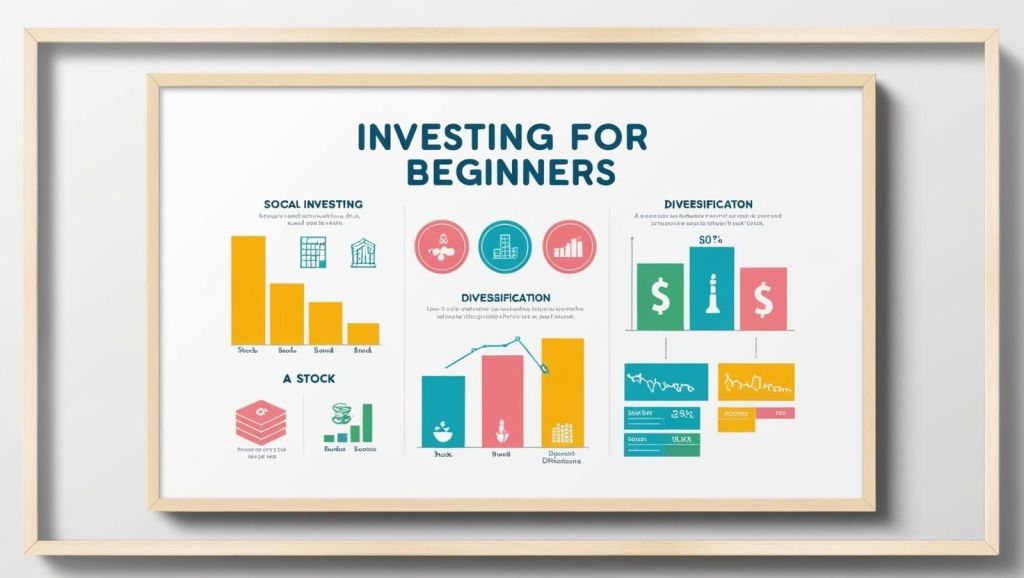
  • Investing for Beginners: Your Ultimate Guide to Building Wealth

    “The most powerful investment you can make is in your own education. The more you learn, the more you earn—not just in wealth, but in wisdom.”

    Investing can seem intimidating when you’re just starting out. Between the complex jargon and endless choices, it’s easy to feel overwhelmed. But here’s the good news: anyone can learn to invest with the right guidance. Whether your goal is to build wealth, save for retirement, or simply grow your money, this comprehensive guide will walk you through every step of the process.

    Chapter 1: Understanding Investing

    Before diving into the nuts and bolts of investing, it’s crucial to understand the fundamental concepts that underpin the practice.

    What Is Investing?

    Investing is the act of allocating money with the expectation of generating profit or income. The goal is to grow your wealth over time, either through capital appreciation (the increase in value of an asset) or by earning income (like dividends or interest).

    Why Should You Invest?

    People invest for a variety of reasons, but the most common include:
    • Building wealth over the long term
    • Generating passive income
    • Saving for retirement
    • Funding education or major life goals
    • Protecting against inflation

    The Power of Compound Interest

    One of the most powerful forces in investing is compound interest. Albert Einstein reportedly called it the “eighth wonder of the world.” Compounding occurs when the returns you earn on your investment generate even more returns over time.

    For example:
    • If you invest $10,000 at an annual interest rate of 7%, in 10 years, it would grow to about $19,672.
    • In 20 years, it would be approximately $38,697.
    • In 30 years, it would soar to $76,123.

    The longer you let your money grow, the more exponential the returns become.

    Chapter 2: Setting Your Investment Goals

    Your investment strategy should always begin with clear and measurable goals. Start by asking yourself:
    1. Why am I investing?
    2. What do I hope to achieve?
    3. What is my time horizon?
    4. How much risk am I willing to take?

    Short-Term vs. Long-Term Goals

    Understanding the timeline for your goals will help determine your investment strategy.

    Short-Term Goals (1-3 years)
    • Emergency fund
    • Vacation savings
    • Home renovation fund

    Recommended investments:
    • High-yield savings accounts
    • Certificates of deposit (CDs)
    • Money market funds

    Medium-Term Goals (3-10 years)
    • Buying a house
    • Funding a wedding
    • Starting a business

    Recommended investments:
    • Bond funds
    • Balanced mutual funds
    • Dividend-paying stocks

    Long-Term Goals (10+ years)
    • Retirement savings
    • College funds
    • Financial independence

    Recommended investments:
    • Individual stocks
    • Index funds
    • Real estate
    • Cryptocurrencies (for higher risk tolerance)

    Chapter 3: Understanding Your Risk Tolerance

    Investing always carries some risk. The key is to understand how much risk you are willing and able to take.

    Factors That Influence Risk Tolerance
    1. Age: Younger investors can typically afford to take on more risk.
    2. Income: Higher income generally allows for more risk-taking.
    3. Financial Obligations: More responsibilities (like a mortgage) might mean less risk.
    4. Personality: Are you conservative or aggressive with money?

    Types of Risk Tolerance
    • Conservative: Prefers low-risk investments, minimal fluctuation.
    • Moderate: Comfortable with a balanced approach of growth and safety.
    • Aggressive: Seeks high returns despite the risk of significant losses.

    Chapter 4: Types of Investments

    Investing can be broken down into several main asset classes. Each has its own risk and return profile.

    1. Stocks (Equities)

    Investing in stocks means buying shares of a company. When the company does well, the value of your shares increases.

    Advantages:
    • High potential returns
    • Ownership stake in a company
    • Dividend payments (in some cases)

    Disadvantages:
    • High volatility
    • Risk of losing your principal investment

    2. Bonds (Fixed Income)

    Bonds are essentially loans you give to companies or governments, and they pay you interest over time.

    Advantages:
    • Regular income through interest payments
    • Lower risk compared to stocks
    • Ideal for conservative investors

    Disadvantages:
    • Lower returns compared to stocks
    • Sensitive to interest rate changes

    3. Real Estate

    Investing in property to earn rental income or capital appreciation.

    Advantages:
    • Tangible asset
    • Potential for rental income
    • Hedge against inflation

    Disadvantages:
    • High upfront costs
    • Ongoing maintenance and management

    4. Commodities

    Physical assets like gold, silver, oil, and agricultural products.

    Advantages:
    • Diversification from financial assets
    • Inflation protection

    Disadvantages:
    • Price volatility
    • Storage and insurance costs (for physical assets)

    5. Mutual Funds and ETFs

    Mutual funds pool money from many investors to buy a diversified portfolio. ETFs (Exchange-Traded Funds) are similar but trade on stock exchanges like individual stocks.

    Advantages:
    • Diversification
    • Professional management (for mutual funds)
    • Liquidity (especially ETFs)

    Disadvantages:
    • Management fees
    • Limited control over individual assets

    6. Cryptocurrencies

    Digital or virtual currencies that use blockchain technology.

    Advantages:
    • High potential returns
    • Decentralization
    • Hedge against traditional financial systems

    Disadvantages:
    • Extremely volatile
    • Lack of regulation
    • Risk of loss from hacking or scams

    Chapter 5: Building a Diversified Portfolio

    Diversification is spreading your investments across different assets to reduce risk. The goal is to create a balanced portfolio that mitigates losses in one area with gains in another.

    Asset Allocation

    The mix of stocks, bonds, real estate, and other assets should reflect your risk tolerance and investment goals.

    Sample Allocations:
    • Conservative: 20% stocks, 70% bonds, 10% cash
    • Moderate: 50% stocks, 40% bonds, 10% real estate
    • Aggressive: 70% stocks, 20% bonds, 10% cryptocurrencies

    Chapter 6: Choosing Your Investment Platform

    There are several platforms where you can start investing, depending on your needs and preferences.

    1. Brokerage Accounts

    Full control over your investment choices.
    • Examples: Fidelity, Charles Schwab, TD Ameritrade

    2. Robo-Advisors

    Automated investment platforms that create diversified portfolios.
    • Examples: Betterment, Wealthfront

    3. Retirement Accounts

    Tax-advantaged accounts designed for long-term savings.
    • Examples: 401(k), IRA, Roth IRA

    4. Apps for Beginners
    • Robinhood: Commission-free stock and crypto trading.
    • Acorns: Round-up investing for small amounts.
    • Stash: Educational tools with low entry points.

    Chapter 7: Investment Strategies for Beginners

    Your investment strategy will determine how you allocate assets and respond to market changes.

    1. Buy and Hold

    Hold investments long-term, regardless of short-term market fluctuations.
    • Ideal for: Building wealth over decades
    • Risk level: Moderate to high

    2. Dollar-Cost Averaging

    Investing a fixed amount regularly, regardless of market price.
    • Ideal for: Reducing market timing risk
    • Risk level: Low to moderate

    3. Growth Investing

    Focusing on stocks that are expected to grow faster than average.
    • Ideal for: Long-term capital appreciation
    • Risk level: High

    4. Value Investing

    Buying undervalued stocks based on fundamentals.
    • Ideal for: Patient investors seeking bargains
    • Risk level: Moderate

    5. Dividend Investing

    Investing in stocks that pay regular dividends.
    • Ideal for: Generating passive income
    • Risk level: Low to moderate

    Chapter 8: Managing and Monitoring Your Investments

    Successful investing doesn’t end with buying assets. You need to manage and monitor your portfolio regularly.

    Rebalancing Your Portfolio

    Adjust your asset mix periodically to maintain your desired risk level. For example:
    • Sell some assets that have grown significantly.
    • Buy assets that have underperformed to restore balance.

    Tracking Performance

    Measure your progress using metrics like:
    • Return on Investment (ROI)
    • Annualized Return
    • Risk-Adjusted Return (Sharpe Ratio)

    Chapter 9: Avoiding Common Investment Mistakes

    1. Emotional Trading

    Making impulsive decisions based on fear or excitement often leads to losses.

    2. Lack of Diversification

    Concentrating all investments in one asset class increases risk.

    3. Ignoring Fees

    High fees can erode your returns over time.

    4. Trying to Time the Market

    Predicting market highs and lows is nearly impossible.

    Chapter 10: Getting Started Today
    1. Educate Yourself: Keep learning and stay updated on market trends.
    2. Set Your Goals: Make them clear and achievable.
    3. Open an Account: Choose a platform that suits your needs.
    4. Start Small: Test the waters with manageable investments.
    5. Be Consistent: Invest regularly and stick to your plan.

    Conclusion
    Investing is a powerful way to build wealth, but it requires knowledge, discipline, and patience. By following this comprehensive guide, you’ll be equipped to make smart investment decisions and build a secure financial future. Remember, the most important step is to start—so why not begin today?

  • How to Buy Your First Home: A Step-by-Step Guide for Fresh Graduates

    Starting your journey to homeownership as a fresh graduate is a big milestone. It’s exciting but also filled with challenges, especially if you come from a family that can’t provide financial support and you’re still finding your footing in your first job. As someone who built my wealth from zero to where I am today, let me share practical, no-nonsense advice to help you achieve this goal.

    Introduction: Why Owning a Home Is Worth It
    Owning your first home isn’t just about having a roof over your head—it’s a smart financial move. It gives you a sense of stability and helps build long-term wealth. While renting might feel easier, buying a home means you’re investing in something that appreciates in value over time. The earlier you start, the more time your investment has to grow.

    However, buying a home requires careful planning. Here’s how to prepare, step by step.


    Step 1: Understand Your Financial Picture
    Before you think about buying a home, get a clear picture of your financial situation. Here’s what to assess:

    1. Income Stability
    Let’s say you’ve been in your job for six months. That’s a good start, but lenders typically like to see at least a year or two of stable income before approving a mortgage. Use this time to build consistency in your earnings and ensure your job feels secure.

    2. Budgeting Basics
    Track your monthly income and expenses. The goal is to know exactly how much you earn, where it’s going, and what you can save. Create a simple budget:
    – Essential Expenses: Rent, utilities, groceries, transportation.
    – Discretionary Spending: Entertainment, dining out, hobbies.
    – Savings: Aim to save at least 20% of your income if possible.

    3. Emergency Fund
    Before focusing on a down payment, build an emergency fund. This fund should cover 3–6 months’ worth of essential expenses. It’s your safety net in case of unexpected events like job loss or medical emergencies.

    Step 2: Set a Clear Goal
    Now that you have a grip on your finances, set a clear goal for buying your first home.

    1. Define Your Ideal Home
    Think about what kind of home you want: a studio apartment, a small house, or a condo? Consider location, size, and other factors. Be realistic about what fits your current lifestyle and budget.

    2. Research Home Prices
    Look at property prices in the areas you’re interested in. Websites like local real estate listings can give you a sense of what’s affordable. Let’s say the average price for a starter home in your area is $100,000 (for simplicity).

    3. Calculate Your Down Payment
    Most lenders require a down payment, which is usually 10–20% of the property’s price. For a $100,000 home, you’d need $10,000–$20,000. If that feels overwhelming, don’t worry—we’ll break down how to save for it.

    Step 3: Build Your Savings
    Saving for a down payment is the biggest hurdle for most first-time buyers. Here’s how to tackle it:

    1. Open a Dedicated Savings Account
    Separate your down payment savings from your regular account. This helps you track your progress and reduces the temptation to spend it.

    2. Automate Your Savings
    Set up an automatic transfer from your main account to your savings account every payday. Even $200 per month adds up over time.

    3. Reduce Unnecessary Expenses
    Cut back on discretionary spending. For example:
    – Skip the daily coffee run—save $3/day, and you’ll have $1,000 in a year.
    – Cook at home instead of eating out—save $50/week, or $2,600 annually.

    4. Look for Extra Income
    If possible, consider freelancing, part-time gigs, or selling unused items to boost your savings.

    5. Save Bonuses or Windfalls
    If you get a work bonus, tax refund, or gift, add it to your down payment fund.

    Step 4: Improve Your Credit Score
    A good credit score is essential for securing a mortgage with favorable terms. Here’s how to improve or maintain your score:

    1. Pay Bills on Time
    Always pay your rent, utilities, and any debt (like a student loan or credit card) on time.

    2. Keep Credit Card Balances Low
    If you use a credit card, aim to keep your balance below 30% of your credit limit.

    3. Avoid Taking on New Debt
    Don’t apply for new loans or credit cards unless absolutely necessary. This can affect your credit score and debt-to-income ratio.

    Step 5: Research Mortgage Options
    Understanding your mortgage options is key to finding the best deal. Here’s what to know:

    1. Types of Mortgages
    – Fixed-Rate Mortgage: The interest rate stays the same throughout the loan term.
    – Variable-Rate Mortgage: The interest rate can change over time, often starting lower but potentially increasing.

    2. Loan Term
    Most first-time buyers choose a 15- or 30-year mortgage. A 30-year term means lower monthly payments, while a 15-year term helps you pay off the loan faster.

    3. Mortgage Pre-Approval
    Getting pre-approved for a mortgage shows sellers you’re a serious buyer. It also gives you a clear idea of how much you can borrow and what your monthly payments will be.

    Step 6: Start House Hunting
    Now comes the fun part—house hunting! But don’t let emotions cloud your judgment. Here’s how to stay focused:

    1. Stick to Your Budget
    It’s tempting to stretch your budget for a dream home, but overextending yourself can lead to financial stress. Stick to what you can afford comfortably.

    2. Work with a Trusted Agent
    A good real estate agent can help you find homes that fit your needs and negotiate a fair price.

    3. Inspect the Property
    Always get a professional inspection to ensure the home is in good condition. Repairs can be costly, so it’s better to know what you’re getting into.

    Step 7: Plan for Additional Costs
    Many first-time buyers overlook the extra costs of homeownership. Be prepared for:
    – Closing Costs: Fees for legal work, appraisals, and other services (usually 2–5% of the home price).
    – Maintenance: Set aside money for repairs and upkeep.
    – Utilities: Budget for electricity, water, and other bills.

    Step 8: Stay Disciplined and Patient
    Buying your first home takes time and effort. Stay disciplined with your savings and patient with the process. Remember, every small step brings you closer to your goal.

    Conclusion: Believe in Your Journey
    As someone who started with nothing, I know how tough it can be to chase big dreams with limited resources. But I also know it’s possible with the right mindset and strategies. Your first home is more than just a building—it’s a symbol of your hard work and determination.

    Keep pushing forward, and don’t hesitate to ask for guidance along the way. You’ve got this! Good luck, future homeowner!

  • Early Retirement Planning: Lessons from My Journey

    “Early retirement isn’t about escaping work; it’s about reclaiming your time to live a life designed by you.”

    As I sit down to share my thoughts on early retirement planning, I can’t help but reflect on how my perspective has evolved over the years. At 40, I’ve been fortunate to learn some invaluable lessons about preparing for life beyond work—lessons I wish I had been told when I was younger. If you’re between the ages of 25 and 30, you’re in an incredible position to lay the groundwork for a financially secure and fulfilling future. Let me walk you through some key ideas that can help you embark on this rewarding journey.

    Why Start Planning Now?
    It’s natural to feel like retirement is a distant concept when you’re in your mid-20s. But here’s the truth: starting early is one of the most powerful advantages you can give yourself. The earlier you begin, the more time you have for your investments to grow, thanks to the magic of compound interest. Small decisions made in your youth can significantly impact the quality of your life decades later.

    When I was in my late 20s, I thought I had all the time in the world. I prioritized instant gratification over long-term planning—fancy gadgets, nights out, and vacations. While I don’t regret enjoying life, I wish I had struck a better balance between living in the moment and building for the future. If you’re reading this, I urge you to take the time to educate yourself about retirement planning. The sooner you start, the easier it becomes.

    The Financial Foundations: Budgeting and Saving
    Before we dive into investments and retirement accounts, let’s talk about the basics—budgeting and saving. These may sound like boring concepts, but they are the bedrock of financial freedom.

    When I was younger, I didn’t fully grasp the importance of tracking my expenses. It wasn’t until I started using budgeting apps in my 30s that I realized how much money was slipping through the cracks. By creating a budget, you can clearly see where your money is going and identify areas where you can cut back. This doesn’t mean you have to deprive yourself of all enjoyment; it’s about spending consciously.

    A crucial aspect of budgeting is saving. Aim to set aside at least 20% of your income for savings. If possible, try to automate this process by having a portion of your paycheck directly transferred to a savings account. Treat your savings as a non-negotiable expense, just like rent or utility bills.

    Investing Early: Your Best Friend for Wealth Growth
    Once you’ve built a habit of saving, it’s time to let your money work for you. Investing is one of the most effective ways to grow your wealth over time. When I first started investing, I was overwhelmed by the sheer number of options—stocks, bonds, mutual funds, real estate, and more. But the key takeaway is this: don’t let the complexity scare you away.

    If you’re new to investing, consider starting with index funds or exchange-traded funds (ETFs). These are low-cost, diversified investments that track the performance of the broader market. They are ideal for beginners and require minimal management. While individual stocks can be exciting, they come with higher risks and require more research.

    One piece of advice I wish I had taken sooner is the importance of dollar-cost averaging. This strategy involves investing a fixed amount of money at regular intervals, regardless of market conditions. It helps you avoid the temptation to time the market and reduces the impact of volatility on your portfolio.

    Retirement Accounts: Maximize the Benefits
    If your employer offers a retirement plan, such as a 401(k) or its equivalent, take full advantage of it. These accounts allow you to contribute pre-tax dollars, reducing your taxable income and helping your savings grow faster. Many employers also offer matching contributions—essentially free money that you shouldn’t leave on the table.

    If your employer doesn’t offer a retirement plan or you want to supplement your savings, consider opening an Individual Retirement Account (IRA). IRAs come in two varieties: traditional and Roth. Each has its own tax advantages, so take the time to understand which one aligns with your goals.

    The Power of Financial Education
    One of the most important tools for early retirement planning is knowledge. Financial literacy has a direct impact on your ability to make informed decisions. When I was younger, I underestimated the value of educating myself about money. It wasn’t until I started reading books, attending workshops, and following financial blogs that I gained the confidence to take control of my finances.

    If you’re new to personal finance, start with foundational books like *The Millionaire Next Door* or *Rich Dad Poor Dad*. You can also explore online resources, podcasts, and YouTube channels dedicated to financial planning. The more you learn, the better equipped you’ll be to navigate the complexities of investing and saving.

    Lifestyle Choices: Prioritize What Truly Matters
    Early retirement planning isn’t just about money; it’s also about lifestyle choices. The way you live now will shape your future in profound ways. When I was younger, I often chased after material possessions, believing they would bring me happiness. Over time, I realized that true fulfillment comes from experiences, relationships, and personal growth.

    Consider your values and priorities. What kind of life do you want to lead? Do you dream of traveling the world, pursuing creative passions, or spending more time with loved ones? By aligning your spending with your goals, you can create a life that’s both meaningful and financially sustainable.

    Mistakes to Avoid: Learn from My Slip-Ups
    I won’t pretend that my journey has been perfect. I’ve made my fair share of mistakes, and I hope you can learn from them. One of my biggest regrets is waiting too long to start investing. The fear of losing money held me back, but in reality, inaction was the costliest mistake of all.

    Another mistake I made was underestimating the importance of an emergency fund. Life is unpredictable, and having a financial safety net can prevent you from derailing your retirement plans in the face of unexpected expenses.

    Finally, I wish I had sought professional advice sooner. While self-education is essential, consulting a financial advisor can provide valuable insights tailored to your unique situation.

    Your Journey Starts Today
    If there’s one message I hope you take away from this blog post, it’s this: your future self will thank you for the steps you take today. Early retirement planning may seem daunting, but it’s ultimately an act of self-care. By prioritizing your financial well-being, you’re setting yourself up for a life of freedom, choice, and fulfillment.

    As someone who’s been through the ups and downs of financial planning, I can assure you that the effort is worth it. Start small, stay consistent, and keep learning. Your 40-year-old self will look back with pride, knowing you took control of your future.

    Now, it’s your turn. What’s the first step you’ll take today to secure your tomorrow?

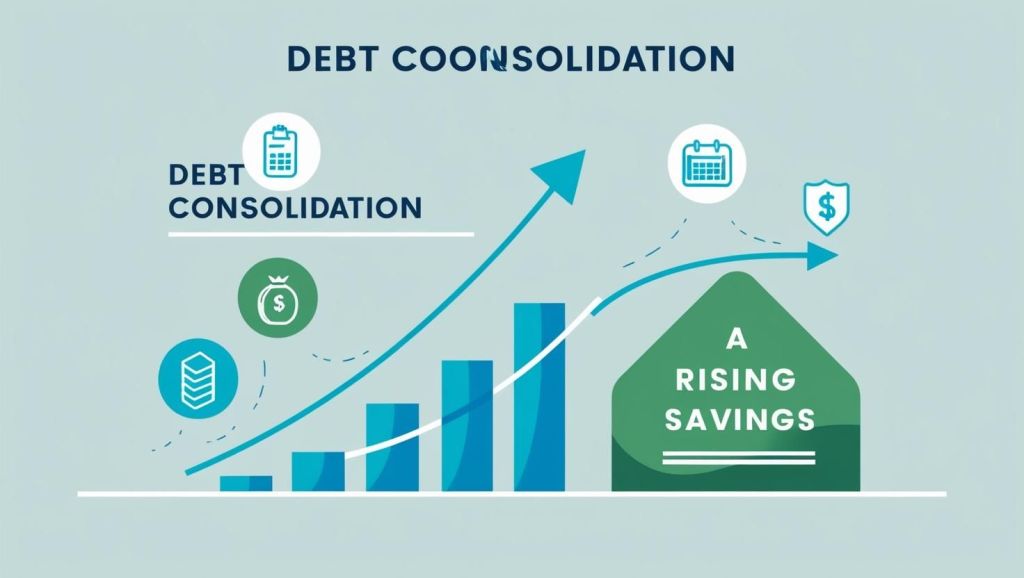
  • Reclaiming Our Financial Harmony: A Married Dad’s Guide to Debt Consolidation

    “Consolidate your debt, consolidate your peace of mind.”

    At 40, life is a whirlwind. Between juggling a demanding career, supporting my amazing wife’s professional aspirations, and raising our energetic kid, the days fly by. Yet, amidst the joy and chaos, a persistent shadow looms – debt.

    Like many families, we’ve accumulated a mix of credit card balances, personal loans, and the lingering remnants of past financial decisions. While my wife and I are a strong team, the weight of this debt has begun to strain our financial harmony. It’s time for a change. That’s why I’m diving deep into debt consolidation, sharing my journey and practical tips for fellow married parents navigating similar waters.

    The Reality Check: Facing Our Financial Landscape
    Let’s be honest, the “perfect family” image often portrayed in commercials is far from reality. We’ve had our share of unexpected expenses, from medical bills to home repairs, and the convenience of credit cards became a slippery slope. With a working wife and a child to provide for, the pressure to maintain a certain lifestyle sometimes led to overspending. We’re not alone. Many families find themselves in this situation, where life’s demands and the allure of instant gratification create a debt burden.

    The stress of managing multiple payments, varying interest rates, and the constant fear of missing deadlines was taking its toll. Our communication, usually a strong point, was becoming strained by financial anxieties. We needed a solution – a way to simplify our finances and regain control.
    Debt Consolidation: A Beacon of Hope

    After extensive research and discussions with my wife, we decided debt consolidation was the most logical step. The idea of streamlining our debt into a single, manageable payment with a lower interest rate was incredibly appealing. But where to begin?


    1. The Inventory: Mapping Our Financial Terrain
    The first step was to create a comprehensive list of all our debts. We meticulously recorded:
    * Credit card balances and interest rates
    * Personal loan amounts and terms
    * Any outstanding medical or other bills
    This exercise, while daunting, provided a clear picture of our financial landscape. We realized the sheer amount of interest we were paying was staggering. This inventory became our roadmap for the consolidation journey.


    2. The Options: Exploring Our Debt Consolidation Avenues
    We explored several debt consolidation options:
    * Personal Consolidation Loans: These loans, offered by banks and credit unions, provide a lump sum to pay off existing debts. We researched interest rates and loan terms, comparing different lenders.
    * Balance Transfer Credit Cards: These cards offer introductory 0% interest rates, allowing us to transfer existing balances. However, we were wary of the potential for high-interest rates after the introductory period.
    * Home Equity Loans: Leveraging our home equity was an option, but we were cautious about placing our home at risk.
    * Debt Management Plans (DMPs): Offered by credit counseling agencies, DMPs involve negotiating with creditors for lower interest rates and creating a structured repayment plan.
    As a married couple with a child, stability and security were paramount. We leaned towards a personal consolidation loan from a reputable credit union, prioritizing a fixed interest rate and predictable monthly payments.


    3. The Budget: Creating a Realistic Repayment Plan
    Consolidating our debt was only half the battle. We needed a realistic budget to ensure we could consistently make our monthly payments. We meticulously tracked our income and expenses, identifying areas where we could cut back.
    * Meal Planning: Reducing restaurant visits and planning meals at home significantly reduced our food expenses.
    * Subscription Review: We canceled unused subscriptions and negotiated lower rates for essential services.
    * Entertainment Alternatives: We explored free or low-cost entertainment options, such as family movie nights at home and park visits.
    * Automated Savings: We set up automatic transfers to a dedicated savings account to build an emergency fund and prevent future debt accumulation.
    My wife and I committed to regular budget reviews, ensuring we stayed on track and made necessary adjustments.


    4. The Communication: Strengthening Our Financial Partnership
    Debt consolidation isn’t just a financial strategy; it’s a collaborative effort. Open and honest communication with my wife was crucial. We scheduled regular “financial check-ins” to discuss our progress, address concerns, and celebrate milestones.
    * Shared Financial Goals: We aligned our financial goals, ensuring we were both on the same page.
    * Transparency: We shared all financial information, fostering trust and accountability.
    * Compromise: We were willing to compromise on spending habits to achieve our financial goals.
    These conversations strengthened our bond and reinforced our commitment to financial stability.


    5. The Discipline: Staying the Course
    Debt consolidation is a marathon, not a sprint. Maintaining discipline and avoiding new debt was essential. We implemented several strategies:
    * Credit Card Freeze: We limited our credit card usage to emergencies only.
    * Cash Envelope System: For discretionary spending, we used a cash envelope system to control spending.
    * Delayed Gratification: We practiced delayed gratification, waiting for non-essential purchases.
    * Regular Progress Tracking: We tracked our progress, celebrating milestones and staying motivated.
    We recognized that building new habits takes time and effort. We focused on celebrating small victories and maintaining a positive mindset.


    The Long-Term Vision: Building a Secure Future
    Debt consolidation is not just about eliminating debt; it’s about building a secure financial future for our family. We’re committed to:
    * Building an Emergency Fund: We’re prioritizing building a robust emergency fund to cushion the impact of unexpected expenses.
    * Investing for the Future: We’re exploring investment options to secure our retirement and our child’s education.
    * Teaching Financial Literacy: We’re committed to teaching our child the importance of financial responsibility.
    As a married man and father, my primary goal is to provide a stable and secure environment for my family. Debt consolidation is a crucial step in achieving that goal.
    The Takeaway: A Shared Journey to Financial Freedom
    Debt consolidation is a journey, not a quick fix. It requires commitment, discipline, and open communication. For married couples, it’s an opportunity to strengthen their financial partnership and build a solid foundation for their future.
    If you’re a married parent struggling with debt, remember you’re not alone. Take the first step, create a plan, and support each other. With determination and perseverance, you can reclaim your financial harmony and create a brighter future for your family.

  • Navigating Your Financial Future: Achieving Savings Goals with Precision and Resilience

    “Every small saving is a brick in the foundation of your financial dreams.”

    In the intricate tapestry of modern life, financial stability stands as a cornerstone of peace of mind. Whether you dream of a comfortable retirement, a dream vacation, or simply a robust emergency fund, setting and achieving savings goals is paramount. However, the journey towards financial security is rarely a straight line. It’s a winding path, fraught with challenges and requiring adaptability. To navigate this path effectively, we delve into five crucial aspects of savings goals


    1. “How to Automate Savings for a Specific Financial Goal with a Low Income”
    The perception that saving is solely for those with high incomes is a pervasive myth. Regardless of your financial standing, automation can be a powerful ally. The key is to optimize your savings strategy to align with your limited resources.
    * Micro-Savings Apps: These apps round up your purchases to the nearest dollar and invest the difference. While seemingly insignificant, these small amounts accumulate substantially over time.
    * Percentage-Based Transfers: Even if you can only allocate a small percentage of your income, make it automatic. This ensures consistent contributions without requiring conscious effort.
    * Prioritize Essential Goals: Focus on one or two critical goals, such as an emergency fund or debt repayment. This prevents your limited income from being spread too thin.
    * Budgeting with Zero-Based Budgeting: Allocate every dollar of your income to a specific purpose. This method forces you to be mindful of your spending and identify areas for potential savings.
    * Negotiate Bills and Reduce Expenses: Even small reductions in recurring bills can free up extra cash for savings. Explore options for cheaper internet, phone plans, or insurance.
    Automation removes the emotional burden of saving, making it a seamless part of your financial routine. Even with a low income, consistent, automated contributions can lead to significant progress.


    2. “Best Online Tools to Visualize and Track Progress Towards Multiple Savings Goals”
    Visualizing your savings progress can be a potent motivator. In a world awash with data, online tools provide a clear, tangible representation of your financial journey.
    * Personal Finance Dashboards: Platforms like Mint, Personal Capital, and YNAB offer comprehensive dashboards that consolidate your financial information, including savings goals.
    * Spreadsheet Software: Tools like Google Sheets or Microsoft Excel allow for customized tracking. You can create charts and graphs to visualize your progress.
    * Goal-Specific Apps: Apps such as Qapital and Digit provide dedicated interfaces for setting and tracking savings goals, often with visual progress bars and celebratory notifications.
    * Financial Planning Software: Programs like Quicken and Moneydance offer detailed financial planning tools, including goal tracking and progress reports.
    * Customizable Visualizations: Many tools allow you to create custom visualizations, such as progress bars, pie charts, and line graphs, to represent your savings progress.
    These tools transform abstract financial goals into concrete, visual achievements, making the journey more engaging and motivating.


    3. “Strategies for Maintaining Motivation When Facing Setbacks in Long-Term Savings Goals”
    The path to long-term savings goals is rarely smooth. Setbacks, such as job loss, unexpected expenses, or market downturns, can derail your progress. Maintaining motivation during these times is crucial.
    * Revisit Your “Why”: Remind yourself of the reasons behind your savings goals. This can reignite your motivation during challenging times.
    * Break Down Goals into Smaller Milestones: Smaller, achievable milestones provide a sense of accomplishment and maintain momentum.
    * Celebrate Small Victories: Acknowledge and celebrate every step forward, no matter how small. This reinforces positive saving habits.
    * Seek Support: Share your goals with friends, family, or online communities. Support and encouragement can be invaluable during setbacks.
    * Adjust Your Plan, Not Your Goals: If necessary, adjust your savings plan to accommodate the setback, but don’t abandon your long-term goals.
    Resilience is key. Setbacks are inevitable, but they don’t have to define your financial journey.


    4. “How to Adjust Savings Goals During Periods of Economic Uncertainty and Inflation”
    Economic uncertainty and inflation can significantly impact your savings goals. Adapting your strategy is essential to navigate these turbulent times.
    * Reassess Your Budget: Inflation erodes purchasing power, so it’s crucial to reassess your budget and identify areas for potential savings.
    * Increase Savings Contributions: If possible, increase your savings contributions to offset the effects of inflation.
    * Invest in Inflation-Protected Securities: Consider investing in Treasury Inflation-Protected Securities (TIPS) or I bonds to protect your savings from inflation.
    * Diversify Investments: Diversification can mitigate the impact of market volatility. Spread your investments across various asset classes.
    * Review and Adjust Your Timeline: Economic uncertainty may necessitate adjustments to your savings timeline. Be flexible and adaptable.
    Economic uncertainty requires a proactive approach. By adjusting your savings strategy, you can protect your financial future.


    5. “Effective Ways to Combine Short-Term and Long-Term Savings Goals Without Sacrificing Either”
    Balancing short-term and long-term savings goals can be challenging. However, with careful planning and prioritization, it’s achievable.
    * Allocate Funds to Separate Accounts: Use separate savings accounts for short-term and long-term goals. This ensures that funds are not commingled.
    * Prioritize Essential Short-Term Goals: Focus on short-term goals that are essential, such as an emergency fund or debt repayment.
    * Automate Contributions to Both Accounts: Set up automatic transfers to both your short-term and long-term savings accounts.
    * Utilize the 50/30/20 Rule: Allocate 50% of your income to needs, 30% to wants, and 20% to savings. This provides a balanced approach to managing your finances.
    * Regularly Review and Adjust Your Plan: Life is dynamic, so your financial plan should be too. Periodically review and adjust your savings allocations.
    Combining short-term and long-term goals requires a balanced approach. By prioritizing essential goals and automating contributions, you can achieve both without sacrificing either.
    The Emotional Landscape of Savings Goals
    Beyond the practical strategies, the emotional landscape of savings goals is equally significant. Fear, anxiety, and doubt can hinder your progress. Cultivating a positive mindset and celebrating small victories can transform your financial journey.
    The Role of Education and Community
    Financial education and community support can be invaluable assets. Seek out resources, such as books, podcasts, and online communities, to enhance your financial literacy. Sharing your experiences and learning from others can provide invaluable insights.


    Conclusion
    Savings goals are not mere financial targets; they are the blueprints of your dreams. By employing targeted strategies, leveraging technology, and cultivating resilience, you can navigate the complexities of financial planning. The five long-tail keywords discussed in this post provide a roadmap for achieving your savings goals with precision and confidence. Remember, the journey towards financial security is a marathon, not a sprint. With patience, discipline, and a well-defined plan, you can transform your financial aspirations into tangible realities.

  • Navigating the Stock Market: Beyond the Buzzwords and Into Strategic Investing

    “If you aren’t willing to own a stock for 10 years, don’t even think about owning it for 10 minutes.” – Warren Buffett

    The allure of the stock market is undeniable. Tales of overnight fortunes and early retirement paint a vivid picture of financial freedom. However, the reality is far more nuanced, demanding patience, knowledge, and a strategic approach. While quick wins are possible, sustainable success lies in understanding the fundamentals and embracing a long-term perspective.


    This blog post delves into the intricacies of stock investing, moving beyond the sensational headlines and focusing on actionable strategies. We’ll explore how to navigate the market effectively, including the importance of due diligence and the power of long-tail keywords in your investment research.
    Understanding the Foundation: Value Investing and Beyond
    At the heart of sound stock investing lies the concept of value. As Warren Buffett famously said, “Price is what you pay. Value is what you get.” This principle underscores the importance of assessing a company’s intrinsic worth, not just its current market price.


    1. Analyzing Financial Statements for Undervalued Growth Stocks in Emerging Markets
    One powerful strategy is to delve into the financial statements of companies operating in emerging markets. These markets often present unique opportunities for growth, but they also require meticulous analysis. “How to analyze financial statements for undervalued growth stocks in emerging markets” is a critical skill for investors seeking to identify hidden gems.
    * Key Financial Metrics: Investors must scrutinize metrics like earnings per share (EPS), price-to-earnings (P/E) ratio, debt-to-equity ratio, and return on equity (ROE). These metrics provide insights into a company’s profitability, financial health, and growth potential.
    * Emerging Market Specifics: When analyzing emerging markets, consider factors like political stability, currency fluctuations, and regulatory environments. These elements can significantly impact a company’s performance.
    * Qualitative Factors: Beyond the numbers, consider the company’s competitive advantage, management team, and industry outlook.


    2. Building a Stable Income Stream: Long-Term Dividend Stocks
    For those seeking a reliable income stream, dividend-paying stocks offer a compelling option. However, not all dividend stocks are created equal. “Best long term dividend paying stocks with low volatility for retirement income” is a crucial search query for retirees and income-focused investors.
    * Dividend Aristocrats: These are companies with a long track record of consistently increasing dividends. They often exhibit stability and resilience during market downturns.
    * Low Volatility: Seek stocks with lower beta values, indicating less sensitivity to market fluctuations. This ensures a more stable income stream.
    * Payout Ratio: Assess the company’s payout ratio, which indicates the proportion of earnings paid out as dividends. A sustainable payout ratio ensures the company can maintain its dividend payments.


    3. Navigating Options: Covered Calls and Tax Implications
    Options trading can be a powerful tool, but it requires a deep understanding of its intricacies. Covered calls, for example, can generate income while holding onto existing stock positions. However, understanding the tax implications is crucial. “What are the tax implications of selling covered call options on tech stocks” is a critical consideration for options traders.
    * Tax Treatment: The tax treatment of covered call options can vary depending on the holding period and exercise of the option.
    * Consulting a Tax Professional: It’s essential to consult with a tax professional to understand the specific tax implications of your options trading strategy.
    * Risk Management: Options trading involves inherent risks. Implement robust risk management strategies to mitigate potential losses.


    4. Diversification and Sustainability: ETFs for the Future
    Diversification is a cornerstone of sound investing. Exchange-traded funds (ETFs) offer a convenient way to diversify across various sectors and asset classes. “How to build a diversified stock portfolio using ETFs for sustainable investing in renewable energy” is a relevant search query for investors seeking to align their investments with their values.
    * Renewable Energy ETFs: These ETFs track indices of companies involved in renewable energy sectors like solar, wind, and geothermal.
    * ESG Investing: Environmental, social, and governance (ESG) factors are increasingly important to investors. Seek ETFs that prioritize companies with strong ESG performance.
    * Portfolio Allocation: Determine the appropriate allocation of ETFs within your overall portfolio based on your risk tolerance and investment goals.


    5. Unearthing Hidden Gems: Small-Cap Stocks with Strong Fundamentals
    Small-cap stocks can offer significant growth potential, but they also carry higher risks. “Strategies for identifying and investing in small cap stocks with strong management teams and competitive advantages” is a key search query for investors seeking to capitalize on this market segment.
    * Due Diligence: Thoroughly research small-cap companies, focusing on their financial health, management team, and competitive landscape.
    * Competitive Advantages: Look for companies with unique products, services, or technologies that provide a sustainable competitive edge.
    * Management Team: Assess the experience and track record of the company’s management team. A strong management team is crucial for driving growth and navigating challenges.
    Beyond the Keywords: The Importance of Patience and Discipline
    While long-tail keywords can guide your research, successful stock investing requires more than just identifying promising opportunities. Patience and discipline are paramount.
    * Long-Term Perspective: Embrace a long-term investment horizon. Avoid impulsive decisions based on short-term market fluctuations.
    * Regular Review: Periodically review your portfolio and rebalance as needed to maintain your desired asset allocation.
    * Continuous Learning: Stay informed about market trends, economic developments, and investment strategies.
    Conclusion: A Journey of Knowledge and Growth
    Stock investing is a journey of continuous learning and adaptation. By understanding the fundamentals, conducting thorough research, and embracing a long-term perspective, you can navigate the market effectively and achieve your financial goals. Remember that the market will always have its ups and downs. It is the prepared and educated investor that will see the most success over time. By using the long tail keywords, and the information provided, you will be better equipped to make sound investment decisions.

  • Demystifying Expense Tracking: A Guide to Financial Clarity

    In the labyrinth of personal and business finance, one fundamental practice stands out as a beacon of clarity: expense tracking. While the phrase might conjure images of tedious spreadsheets and endless receipts, mastering expense tracking is the cornerstone of sound financial management. This comprehensive guide will delve into five key aspects of expense tracking, addressing specific long-tail keywords to illuminate the path to financial stability.
    1. Best Free Expense Tracking App for Small Business Owners
    For small business owners, every penny counts. Navigating the complexities of business expenses can be overwhelming, especially when resources are limited. This is where free expense tracking apps come into play, offering a cost-effective solution to monitor and manage finances.
    The search for the “best free expense tracking app for small business owners” often leads to a plethora of options, each promising to streamline financial processes. However, not all apps are created equal. Key features to look for include:
    * Ease of Use: A user-friendly interface is crucial, allowing for quick and efficient data entry.
    * Categorization: The ability to categorize expenses accurately is essential for insightful financial analysis.
    * Reporting: Robust reporting features provide a clear overview of spending patterns and financial health.
    * Integration: Integration with bank accounts and other financial tools can automate data entry and enhance accuracy.
    * Mobile Accessibility: Mobile apps allow for on-the-go expense tracking, ensuring no transaction goes unrecorded.
    Popular free options often include basic versions of larger financial software, or dedicated apps designed for sole proprietors. These apps can significantly reduce the burden of manual expense tracking, allowing business owners to focus on growth and operations. However, it is important to check the terms of service, as some free versions have limited features.
    2. How to Create a Simple Expense Tracking Spreadsheet for Monthly Budget
    While apps offer convenience, the simplicity of a spreadsheet remains a powerful tool for personal finance. Learning “how to create a simple expense tracking spreadsheet for monthly budget” empowers individuals to take control of their finances without relying on external software.
    A basic expense tracking spreadsheet should include the following columns:
    * Date: The date of the transaction.
    * Description: A brief description of the expense.
    * Category: The category of the expense (e.g., groceries, rent, entertainment).
    * Amount: The amount spent.
    To enhance the spreadsheet’s functionality, consider adding:
    * Budgeted Amount: The allocated budget for each category.
    * Actual Amount: The actual amount spent.
    * Difference: The difference between the budgeted and actual amounts.
    This simple structure allows for easy tracking and analysis of monthly expenses. Using formulas to calculate totals and differences can automate the process and provide a clear overview of spending habits. Spreadsheets also offer the flexibility to customize categories and add notes, making them a versatile tool for personal finance management.
    3. Expense Tracking Tips for Freelancers with Irregular Income
    Freelancers face unique financial challenges, particularly when it comes to managing irregular income. “Expense tracking tips for freelancers with irregular income” are essential for navigating the fluctuations and ensuring financial stability.
    Key strategies include:
    * Consistent Tracking: Regardless of income fluctuations, maintain consistent expense tracking to identify spending patterns.
    * Categorization: Categorize expenses based on business and personal needs to separate financial obligations.
    * Set Aside for Taxes: Allocate a percentage of each payment for taxes to avoid surprises during tax season.
    * Emergency Fund: Build an emergency fund to cover expenses during periods of low income.
    * Regular Reviews: Regularly review expenses and adjust spending habits as needed.
    * Use of tools: Employing apps or spreadsheets that allow for customizable categories and reporting is crucial.
    Freelancers should also consider setting up separate bank accounts for business and personal expenses to maintain clear financial boundaries.
    4. What are the Benefits of Expense Tracking for Personal Finance Management?
    Understanding “what are the benefits of expense tracking for personal finance management” is crucial for motivating individuals to adopt this practice. The advantages extend beyond simply knowing where money is going.
    Key benefits include:
    * Increased Awareness: Expense tracking provides a clear picture of spending habits, revealing areas where money is being wasted.
    * Budgeting: Tracking expenses allows for the creation of realistic budgets based on actual spending patterns.
    * Debt Reduction: Identifying unnecessary expenses can free up funds for debt repayment.
    * Savings Goals: Tracking expenses helps individuals prioritize savings goals and allocate funds accordingly.
    * Financial Security: Consistent expense tracking leads to improved financial stability and reduced stress.
    * Informed Decisions: It allows a person to make informed financial decisions.
    By understanding these benefits, individuals are more likely to commit to expense tracking and reap the rewards of improved financial management.
    5. How to Automate Expense Tracking with Bank Account Integration
    In the digital age, automation is key to efficiency. “How to automate expense tracking with bank account integration” is a question that resonates with those seeking to streamline their financial processes.
    Bank account integration offers several advantages:
    * Automated Data Entry: Transactions are automatically imported into expense tracking apps or spreadsheets, eliminating manual data entry.
    * Real-Time Updates: Transactions are updated in real-time, providing an accurate overview of spending.
    * Reduced Errors: Automation minimizes the risk of human error, ensuring accurate data.
    * Time Savings: Automating expense tracking saves valuable time, allowing individuals to focus on other financial tasks.
    Many expense tracking apps offer bank account integration, allowing for seamless data transfer. However, it is essential to ensure the app’s security and privacy policies before linking bank accounts.
    Conclusion
    Expense tracking is not merely a chore; it is a fundamental practice that empowers individuals and small business owners to achieve financial clarity and stability. Whether using a free app, a simple spreadsheet, or automating the process with bank account integration, the key is to adopt a consistent and disciplined approach. By understanding the benefits and utilizing the right tools, anyone can master expense tracking and pave the way for a brighter financial future.

  • How to Snowball Your Way Out of Credit Card Debt: A Step-by-Step Guide for Beginners


    Credit card debt can feel like a relentless avalanche, constantly growing and threatening to bury you under its weight. If you’re a beginner struggling to navigate this financial quagmire, you’re not alone. Many people find themselves trapped in a cycle of minimum payments and mounting interest. However, there’s a beacon of hope: the debt snowball method. This strategy, popularized by financial expert Dave Ramsey, provides a structured and psychologically empowering approach to tackling credit card debt, one step at a time. Let’s break down how to snowball your way out of credit card debt, specifically tailored for beginners.
    Understanding the Avalanche: The Reality of Credit Card Debt
    Before diving into the solution, it’s crucial to grasp the problem. Credit card debt isn’t just a number; it’s a financial burden that impacts your credit score, limits your financial freedom, and can lead to significant stress. The high-interest rates associated with credit cards mean that even small balances can quickly balloon, especially if you’re only making minimum payments.
    The minimum payment, often a tiny percentage of your balance, is designed to keep you indebted. It covers a small portion of the principal and a significant chunk of the interest, leaving you perpetually trapped. This is where the debt snowball method comes in, offering a systematic way to break free from this cycle.
    The Snowball Effect: How the Method Works
    The debt snowball method is deceptively simple but incredibly effective. It focuses on psychological momentum, providing quick wins that motivate you to keep going. Here’s how it works:
    * List Your Debts: Start by listing all your credit card debts from smallest to largest, regardless of interest rates. Include the balance and minimum payment for each card.
    * Minimum Payments on All but One: Make the minimum payments on all your credit cards except the smallest one.
    * Attack the Smallest Debt: Throw every extra dollar you can find at the smallest debt. This could include cutting back on non-essential expenses, selling unused items, or picking up a side hustle.
    * Celebrate the Victory: Once the smallest debt is paid off, celebrate your victory! This provides a significant psychological boost and reinforces your commitment to the process.
    * Roll the Payment: Take the minimum payment from the paid-off card and add it to the minimum payment of the next smallest debt. Continue to throw every extra dollar at this new target.
    * Repeat and Conquer: Repeat this process, rolling the payments from each paid-off card into the next, creating a snowball effect. As you pay off each debt, the amount you’re throwing at the next one increases, accelerating the process.
    Step-by-Step Guide for Beginners
    Let’s break down each step in detail, providing practical tips for beginners:
    Step 1: List Your Debts
    * Gather all your credit card statements and create a spreadsheet or use a budgeting app to list your debts.
    * Include the following information:
       * Credit card name
       * Current balance
       * Minimum payment
       * Interest rate (for later reference)
    * Arrange the list from smallest to largest balance.
    Step 2: Minimum Payments on All but One
    * Set up automatic payments for the minimum amounts on all cards except the smallest. This ensures you avoid late fees and penalties.
    * Double-check your budget to ensure you can comfortably make these payments.
    Step 3: Attack the Smallest Debt
    * This is where the real work begins. Scrutinize your budget and identify areas where you can cut back.
       * Dining out: Cook at home more often.
       * Entertainment: Cancel subscriptions you don’t use.
       * Shopping: Avoid impulse purchases.
       * Transportation: Consider carpooling or using public transportation.
    * Look for ways to increase your income.
       * Sell unused items on online marketplaces.
       * Offer freelance services.
       * Pick up a part-time job or side hustle.
    * Every extra dollar counts. Even small amounts can make a difference.
    Step 4: Celebrate the Victory
    * Paying off your first debt is a significant milestone. Acknowledge your achievement and reward yourself (within reason).
    * This celebration reinforces your commitment and provides the motivation to keep going.
    Step 5: Roll the Payment
    * This is where the snowball effect kicks in. Take the minimum payment from the paid-off card and add it to the minimum payment of the next smallest debt.
    * Continue to throw every extra dollar you can find at this new target.
    Step 6: Repeat and Conquer
    * Repeat steps 3-5 until all your credit card debts are paid off.
    * As you progress, the snowball grows larger, and you’ll see your debts disappear faster.
    Tips for Success
    * Create a Budget: A budget is essential for tracking your income and expenses, allowing you to identify areas where you can cut back.
    * Track Your Progress: Use a spreadsheet or budgeting app to track your debt payoff progress. This provides visual motivation and helps you stay on track.
    * Stay Disciplined: The debt snowball method requires discipline and consistency. Avoid taking on new debt and stick to your plan.
    * Find a Support System: Share your journey with a friend, family member, or online community. Having a support system can help you stay motivated and accountable.
    * Don’t Ignore the Interest Rates: While the debt snowball method prioritizes the smallest balance, it’s essential to be aware of the interest rates. Consider refinancing high-interest cards if possible.
    * Stay Positive: Paying off debt can be a long and challenging process. Stay positive and focus on your progress.
    Addressing Common Challenges
    * Unexpected Expenses: Build an emergency fund to cover unexpected expenses, preventing you from relying on credit cards.
    * Temptation to Spend: Avoid temptation by unsubscribing from marketing emails and staying away from shopping malls.
    * Relationship Challenges: Communicate with your partner about your debt payoff plan and work together as a team.
    * Feeling Overwhelmed: Break down your debt payoff journey into smaller, manageable goals.
    Beyond the Snowball: Building a Solid Financial Foundation
    Once you’ve conquered your credit card debt, it’s time to build a solid financial foundation.
    * Emergency Fund: Aim to save 3-6 months’ worth of living expenses in an easily accessible savings account.
    * Invest for the Future: Start investing for retirement and other long-term goals.
    * Live Below Your Means: Continue to live below your means and avoid taking on new debt.
    * Give Generously: Once you’re financially stable, consider giving back to your community.
    Conclusion
    The debt snowball method is a powerful tool for beginners looking to escape the clutches of credit card debt. It’s not just about the numbers; it’s about building momentum, celebrating victories, and taking control of your financial future. By following these steps and staying disciplined, you can snowball your way out of debt and pave the way for a brighter financial future. Remember, it’s a marathon, not a sprint. Be patient with yourself, celebrate the small wins, and keep your eyes on the ultimate goal: financial freedom.