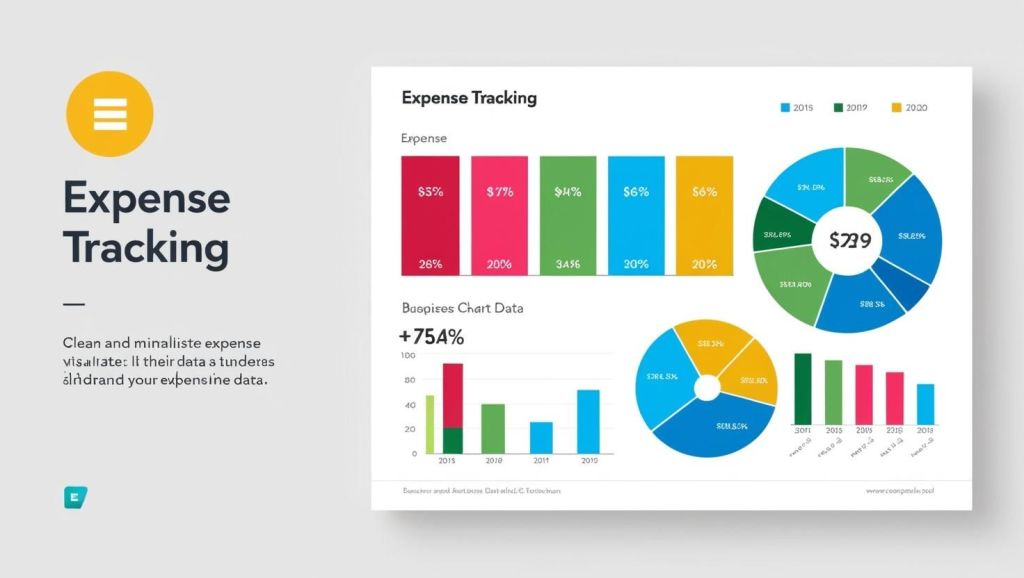
Introduction: Why Bother Tracking Expenses in the First Place?
Let’s be honest—tracking your expenses sounds like a drag. It conjures images of spreadsheets, receipts stuffed in wallets, and that lingering sense of guilt when you realize just how much you spent on takeout last month. But here’s the thing: tracking your expenses is one of the most powerful (and underrated) tools for taking control of your money.
Whether you’re trying to save more, get out of debt, or just stop living paycheck to paycheck, expense tracking is where it all begins. Think of it like a financial map. If you don’t know where your money’s going, how can you possibly direct it toward your goals?
In this guide, we’re going deep. We’ll answer the big questions: Why should you track your expenses? What’s the best way to do it? How do you make it stick? And is it really worth the time and effort?
Let’s dive in.
1. Why Should I Track My Expenses?
a. Awareness is Everything
The first and most obvious benefit of tracking your expenses is awareness. Most of us think we know where our money goes, but reality usually tells a different story. A $5 coffee here, a quick Uber there, it adds up fast.
Expense tracking gives you a crystal-clear view of your spending habits. It helps identify where you’re overspending, what expenses are recurring, and where you might be able to cut back without really feeling it.
b. Builds Better Habits
Once you see your spending laid out in front of you, you’re more likely to make better choices. It’s like food journaling for your wallet. Seeing how often you hit the drive-thru might just make you cook at home more often.
c. Reduces Financial Stress
Ever felt that anxious, gnawing feeling that you’re not really sure if you can afford something—but you go for it anyway? Tracking expenses helps eliminate that uncertainty. When you know your numbers, you spend with confidence.
d. Helps You Reach Goals Faster
Whether your goal is to pay off debt, save for a trip, or build an emergency fund, tracking your expenses is a crucial step. You can’t manage what you don’t measure.
2. What Is the Best Way to Track Expenses?
There’s no one-size-fits-all answer here. The best method depends on your lifestyle, preferences, and how involved you want to be.
a. Apps (Best for Convenience)
Apps like Mint, YNAB (You Need A Budget), PocketGuard, or EveryDollar can automate much of the process by syncing to your bank accounts and categorizing expenses.
Pros:
• Automatic syncing
• Visual reports
• Goal tracking
Cons:
• Privacy concerns
• Can become passive if you’re not engaged
b. Spreadsheets (Best for Customization)
If you’re the type who likes to get into the nitty-gritty, spreadsheets are perfect. You can create your own categories, formulas, and set it up exactly how you want.
Pros:
• Fully customizable
• Great for detail lovers
Cons:
• Manual entry can be time-consuming
• Requires consistency
c. Pen and Paper (Best for Simplicity)
Old school, yes, but for some people, writing things down is the key to mindfulness.
Pros:
• Keeps you highly engaged
• No tech required
Cons:
• No automation or analytics
• Easy to lose or forget
3. How to Track Expenses Effectively
It’s not just about logging numbers. Here’s how to make your tracking truly work:
a. Be Consistent
Whether it’s daily, weekly, or monthly, just pick a schedule and stick to it. Consistency is more important than perfection.
b. Categorize Thoughtfully
Break your spending into clear, actionable categories (e.g., groceries, transportation, dining out, subscriptions, etc.). Too few categories, and you won’t get enough insight. Too many, and it becomes overwhelming.
c. Track Everything
Yes, even that $2 vending machine soda. Small purchases often fly under the radar but can eat a big chunk of your budget over time.
d. Review and Reflect
Once a week or month, look over your data. What surprised you? What’s trending up? What needs adjusting? Expense tracking is useless unless you use the information.
4. How Can I Make It a Habit?
Tracking expenses is only helpful if you keep doing it. Here’s how to make it stick:
a. Start Small
Don’t try to overhaul your whole financial life overnight. Start by tracking one week. Then build from there.
b. Set a Reminder
Use calendar alerts, phone notifications, or a sticky note on your laptop, whatever works to remind you to log your expenses.
c. Make It a Ritual
Tie it to something you already do. For example, log your expenses right after dinner or as part of your Sunday night planning.
d. Reward Yourself
Hit a goal? Stay consistent for a month? Treat yourself (responsibly). Positive reinforcement builds habits.
5. What Should I Do With the Information?
Great—you’ve tracked your spending. Now what?
a. Spot Patterns
Maybe you’re spending more on delivery than groceries. Maybe subscriptions you forgot about are quietly draining you. Identifying patterns is the first step toward making better choices.
b. Set Realistic Budgets
Use your data to create realistic, sustainable budgets. No guesswork, just facts.
c. Cut Waste
Cancel unused subscriptions. Find cheaper alternatives. Scale back categories that don’t align with your goals.
d. Reallocate to Priorities
Now that you’ve trimmed the fat, redirect that money to where it matters—debt payments, savings, investing, or experiences you truly value.
e. Track Progress Over Time
Compare your monthly reports. Celebrate wins. Notice setbacks. Use it all to keep improving.
6. Is It Really Worth the Effort?
Yes. Unequivocally, yes.
Tracking your expenses might feel tedious at first, but the clarity and control it brings is unmatched. It’s not about restriction, it’s about freedom. Freedom to make informed choices, to set and hit financial goals, and to stop wondering where the hell your money went.
Once you’ve got the hang of it, it becomes second nature. And the payoff? Peace of mind, financial security, and the ability to plan your life with intention.
Still think it’s not worth it?
Give it 30 days. Track everything. Reflect on it. Then decide.
Final Thoughts: Your Money, Your Power
Expense tracking isn’t a punishment. It’s a superpower. The sooner you start, the sooner you’ll see just how much control you can take back over your finances.
Start with a simple method. Keep it consistent. Use the insights. And keep going.
This isn’t about being perfect, it’s about being aware, intentional, and empowered.
You’ve got this.
 Jack Financial Journey
Leave a comment