“The most powerful investment you can make is in your own education. The more you learn, the more you earn—not just in wealth, but in wisdom.”
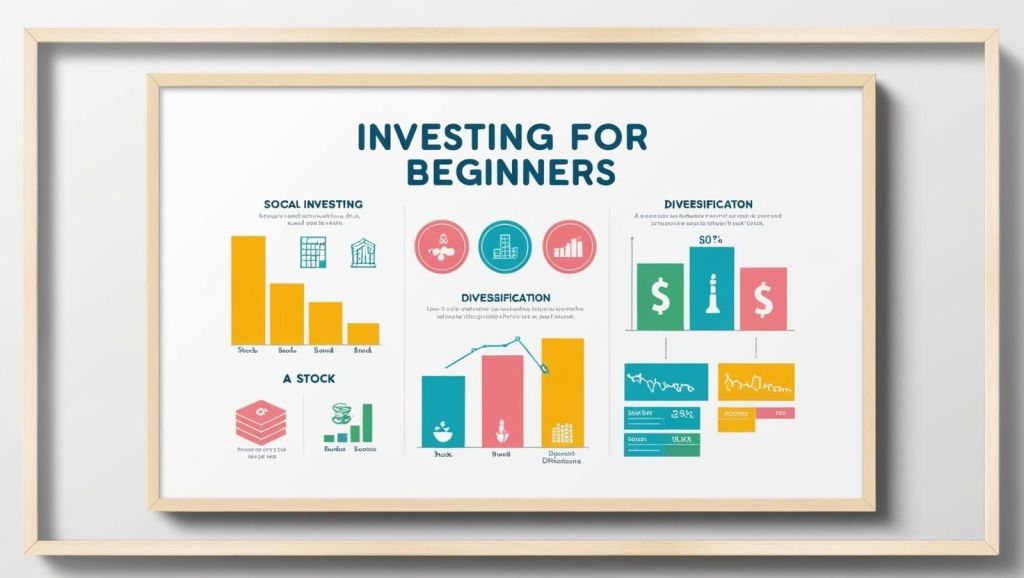
Investing can seem intimidating when you’re just starting out. Between the complex jargon and endless choices, it’s easy to feel overwhelmed. But here’s the good news: anyone can learn to invest with the right guidance. Whether your goal is to build wealth, save for retirement, or simply grow your money, this comprehensive guide will walk you through every step of the process.
Chapter 1: Understanding Investing
Before diving into the nuts and bolts of investing, it’s crucial to understand the fundamental concepts that underpin the practice.
What Is Investing?
Investing is the act of allocating money with the expectation of generating profit or income. The goal is to grow your wealth over time, either through capital appreciation (the increase in value of an asset) or by earning income (like dividends or interest).
Why Should You Invest?
People invest for a variety of reasons, but the most common include:
• Building wealth over the long term
• Generating passive income
• Saving for retirement
• Funding education or major life goals
• Protecting against inflation
The Power of Compound Interest
One of the most powerful forces in investing is compound interest. Albert Einstein reportedly called it the “eighth wonder of the world.” Compounding occurs when the returns you earn on your investment generate even more returns over time.
For example:
• If you invest $10,000 at an annual interest rate of 7%, in 10 years, it would grow to about $19,672.
• In 20 years, it would be approximately $38,697.
• In 30 years, it would soar to $76,123.
The longer you let your money grow, the more exponential the returns become.
Chapter 2: Setting Your Investment Goals
Your investment strategy should always begin with clear and measurable goals. Start by asking yourself:
1. Why am I investing?
2. What do I hope to achieve?
3. What is my time horizon?
4. How much risk am I willing to take?
Short-Term vs. Long-Term Goals
Understanding the timeline for your goals will help determine your investment strategy.
Short-Term Goals (1-3 years)
• Emergency fund
• Vacation savings
• Home renovation fund
Recommended investments:
• High-yield savings accounts
• Certificates of deposit (CDs)
• Money market funds
Medium-Term Goals (3-10 years)
• Buying a house
• Funding a wedding
• Starting a business
Recommended investments:
• Bond funds
• Balanced mutual funds
• Dividend-paying stocks
Long-Term Goals (10+ years)
• Retirement savings
• College funds
• Financial independence
Recommended investments:
• Individual stocks
• Index funds
• Real estate
• Cryptocurrencies (for higher risk tolerance)
Chapter 3: Understanding Your Risk Tolerance
Investing always carries some risk. The key is to understand how much risk you are willing and able to take.
Factors That Influence Risk Tolerance
1. Age: Younger investors can typically afford to take on more risk.
2. Income: Higher income generally allows for more risk-taking.
3. Financial Obligations: More responsibilities (like a mortgage) might mean less risk.
4. Personality: Are you conservative or aggressive with money?
Types of Risk Tolerance
• Conservative: Prefers low-risk investments, minimal fluctuation.
• Moderate: Comfortable with a balanced approach of growth and safety.
• Aggressive: Seeks high returns despite the risk of significant losses.
Chapter 4: Types of Investments
Investing can be broken down into several main asset classes. Each has its own risk and return profile.
1. Stocks (Equities)
Investing in stocks means buying shares of a company. When the company does well, the value of your shares increases.
Advantages:
• High potential returns
• Ownership stake in a company
• Dividend payments (in some cases)
Disadvantages:
• High volatility
• Risk of losing your principal investment
2. Bonds (Fixed Income)
Bonds are essentially loans you give to companies or governments, and they pay you interest over time.
Advantages:
• Regular income through interest payments
• Lower risk compared to stocks
• Ideal for conservative investors
Disadvantages:
• Lower returns compared to stocks
• Sensitive to interest rate changes
3. Real Estate
Investing in property to earn rental income or capital appreciation.
Advantages:
• Tangible asset
• Potential for rental income
• Hedge against inflation
Disadvantages:
• High upfront costs
• Ongoing maintenance and management
4. Commodities
Physical assets like gold, silver, oil, and agricultural products.
Advantages:
• Diversification from financial assets
• Inflation protection
Disadvantages:
• Price volatility
• Storage and insurance costs (for physical assets)
5. Mutual Funds and ETFs
Mutual funds pool money from many investors to buy a diversified portfolio. ETFs (Exchange-Traded Funds) are similar but trade on stock exchanges like individual stocks.
Advantages:
• Diversification
• Professional management (for mutual funds)
• Liquidity (especially ETFs)
Disadvantages:
• Management fees
• Limited control over individual assets
6. Cryptocurrencies
Digital or virtual currencies that use blockchain technology.
Advantages:
• High potential returns
• Decentralization
• Hedge against traditional financial systems
Disadvantages:
• Extremely volatile
• Lack of regulation
• Risk of loss from hacking or scams
Chapter 5: Building a Diversified Portfolio
Diversification is spreading your investments across different assets to reduce risk. The goal is to create a balanced portfolio that mitigates losses in one area with gains in another.
Asset Allocation
The mix of stocks, bonds, real estate, and other assets should reflect your risk tolerance and investment goals.
Sample Allocations:
• Conservative: 20% stocks, 70% bonds, 10% cash
• Moderate: 50% stocks, 40% bonds, 10% real estate
• Aggressive: 70% stocks, 20% bonds, 10% cryptocurrencies
Chapter 6: Choosing Your Investment Platform
There are several platforms where you can start investing, depending on your needs and preferences.
1. Brokerage Accounts
Full control over your investment choices.
• Examples: Fidelity, Charles Schwab, TD Ameritrade
2. Robo-Advisors
Automated investment platforms that create diversified portfolios.
• Examples: Betterment, Wealthfront
3. Retirement Accounts
Tax-advantaged accounts designed for long-term savings.
• Examples: 401(k), IRA, Roth IRA
4. Apps for Beginners
• Robinhood: Commission-free stock and crypto trading.
• Acorns: Round-up investing for small amounts.
• Stash: Educational tools with low entry points.
Chapter 7: Investment Strategies for Beginners
Your investment strategy will determine how you allocate assets and respond to market changes.
1. Buy and Hold
Hold investments long-term, regardless of short-term market fluctuations.
• Ideal for: Building wealth over decades
• Risk level: Moderate to high
2. Dollar-Cost Averaging
Investing a fixed amount regularly, regardless of market price.
• Ideal for: Reducing market timing risk
• Risk level: Low to moderate
3. Growth Investing
Focusing on stocks that are expected to grow faster than average.
• Ideal for: Long-term capital appreciation
• Risk level: High
4. Value Investing
Buying undervalued stocks based on fundamentals.
• Ideal for: Patient investors seeking bargains
• Risk level: Moderate
5. Dividend Investing
Investing in stocks that pay regular dividends.
• Ideal for: Generating passive income
• Risk level: Low to moderate
Chapter 8: Managing and Monitoring Your Investments
Successful investing doesn’t end with buying assets. You need to manage and monitor your portfolio regularly.
Rebalancing Your Portfolio
Adjust your asset mix periodically to maintain your desired risk level. For example:
• Sell some assets that have grown significantly.
• Buy assets that have underperformed to restore balance.
Tracking Performance
Measure your progress using metrics like:
• Return on Investment (ROI)
• Annualized Return
• Risk-Adjusted Return (Sharpe Ratio)
Chapter 9: Avoiding Common Investment Mistakes
1. Emotional Trading
Making impulsive decisions based on fear or excitement often leads to losses.
2. Lack of Diversification
Concentrating all investments in one asset class increases risk.
3. Ignoring Fees
High fees can erode your returns over time.
4. Trying to Time the Market
Predicting market highs and lows is nearly impossible.
Chapter 10: Getting Started Today
1. Educate Yourself: Keep learning and stay updated on market trends.
2. Set Your Goals: Make them clear and achievable.
3. Open an Account: Choose a platform that suits your needs.
4. Start Small: Test the waters with manageable investments.
5. Be Consistent: Invest regularly and stick to your plan.
Conclusion
Investing is a powerful way to build wealth, but it requires knowledge, discipline, and patience. By following this comprehensive guide, you’ll be equipped to make smart investment decisions and build a secure financial future. Remember, the most important step is to start—so why not begin today?
 Jack Financial Journey
Leave a comment